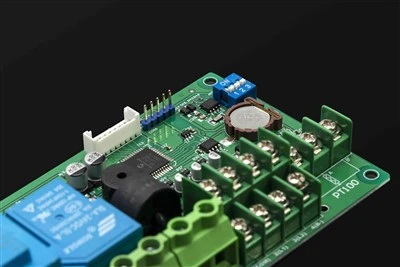
The Role Of Automation in Modern Water Pump Management: Insights For Manufacturers And Installers
Sep 12, 2025
The Role of Automation in Modern Water Pump Management: Insights for Manufacturers and Installers
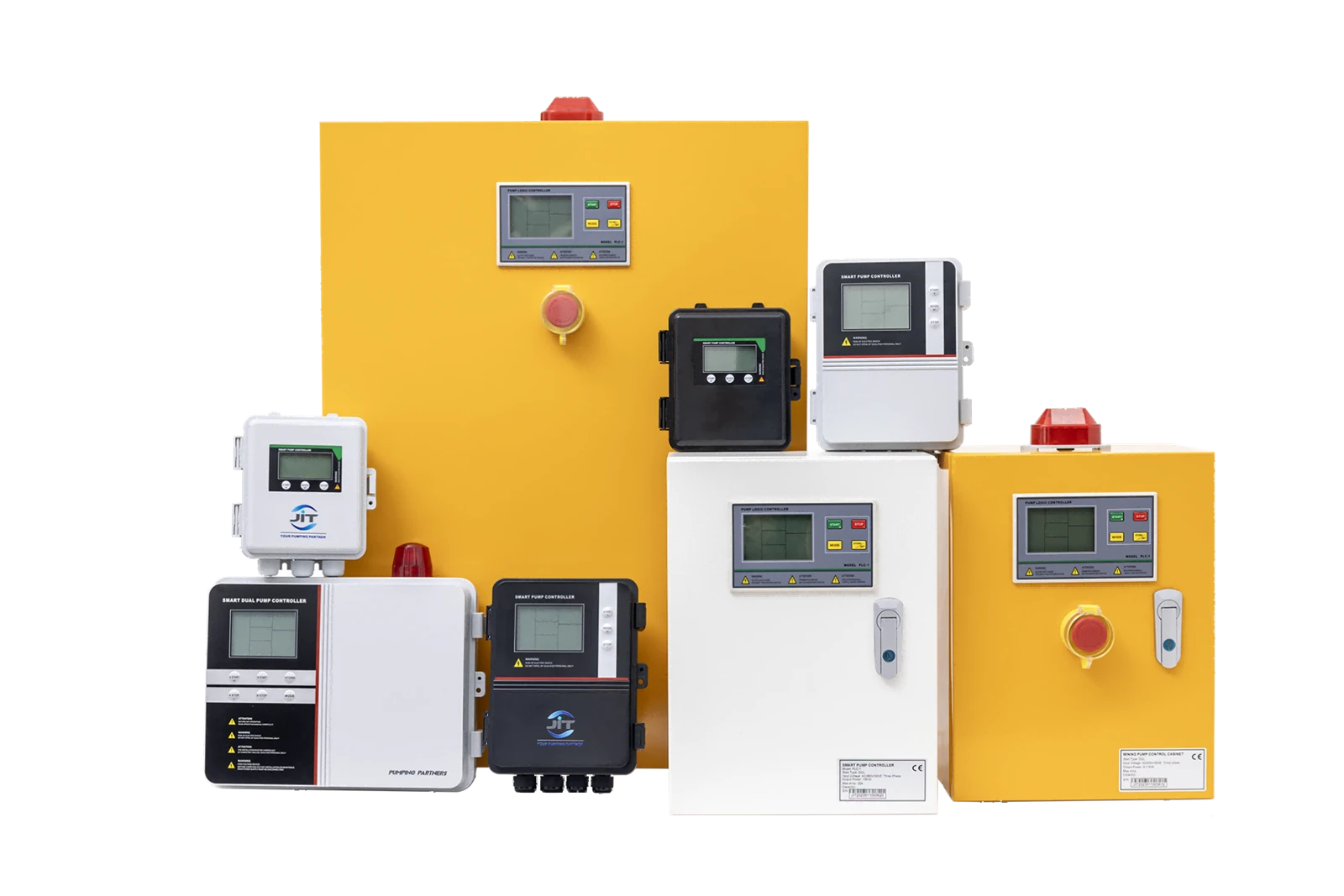
Why Automation Matters in Water Pump Systems
A water pump is the beating heart of any system that moves water, whether in homes, factories, or entire cities.
Without automation, managing pumps used to be a guessing game - operators had to rely on manual checks and experience.
Now, technology has reshaped pump management, saving time, cutting costs, and preventing breakdowns.
I remember working on a construction site where the main pump shut down unexpectedly during a concrete pour.
Without real-time monitoring, we only noticed the problem when the water pressure dropped.
By the time the pump restarted, we had already lost hours and money.
That experience made me appreciate just how valuable automation has become.water pump systems with automation are no longer optional - they are becoming standard across industries.
The Shift from Manual Checks to Smart Monitoring
Not long ago, pump operators would walk around plants with clipboards, noting pressure readings and listening for unusual sounds.
While experience often caught problems early, human oversight has limits.
A pump could overheat at night, and no one would know until morning.
Now, IoT sensors track temperature, vibration, and flow rates in real time.
If something unusual happens, the system alerts operators instantly.
This means installers and manufacturers are no longer just selling equipment - they're providing smart solutions.
How Predictive Maintenance Changes the Game
Maintenance used to follow one of two models: fix it when it breaks or replace parts on a schedule.
Both approaches waste money.
Either you deal with downtime, or you replace components that still have life left.
Predictive maintenance flips the script.
By analyzing data patterns, automation systems can forecast when a pump bearing or seal is about to fail.
Instead of rushing to fix a sudden breakdown, technicians plan repairs during scheduled downtime.
I've seen factories where predictive systems cut pump-related downtime by 40%.
That translates directly into saved production hours and reduced costs.
The Energy Efficiency Factor
Energy efficiency isn't just about saving money - it's also about sustainability.
Pumps often run longer or harder than necessary because no one adjusts them in real time.
Automation solves this.
For example, variable frequency drives (VFDs) adjust pump speed to match demand.
During low-demand hours, pumps slow down, using less electricity.
One municipal water facility reported a 25% drop in energy consumption after integrating VFD-controlled pumps.
For manufacturers, this efficiency is a selling point.
For installers, it's a chance to offer clients long-term savings that go beyond installation costs.
Remote Access and Control
Imagine standing miles away from a pumping station and still being able to adjust settings on your phone.
That's the reality now.
With cloud-based monitoring, operators can oversee multiple pumps across different sites without being physically present.
During the pandemic, one agricultural company I worked with used remote monitoring to keep irrigation systems running without sending staff into the fields every day.
It wasn't just convenient - it was essential for business continuity.
Challenges Manufacturers and Installers Must Consider
Automation isn't without hurdles.
Upfront costs can scare off clients, especially small businesses.
There's also a learning curve for operators used to manual methods.
Installers often face pushback from teams reluctant to adopt new systems.
Manufacturers need to address cybersecurity risks, since connected pumps can be vulnerable to hacking.
However, those who adapt quickly position themselves as leaders in an industry that's moving toward smart water management.
Real-World Example: City Water Distribution
A mid-sized city in the U.S. upgraded its aging water distribution network with automated pump stations.
Before automation, leaks and pump failures often went unnoticed for hours.
Now, sensors detect anomalies instantly, and operators receive mobile alerts.
The result?
Water loss dropped by nearly 30%, and maintenance crews were able to focus on proactive tasks rather than constant emergency repairs.
This story reflects a larger trend: automation doesn't just improve efficiency - it changes how people work.
The Future of Water Pump Automation
Looking ahead, we'll see even more integration between automation and artificial intelligence.
Systems won't just react to problems - they'll learn patterns and optimize operations on their own.
For manufacturers, this means designing pumps that "talk" to each other and the cloud.
For installers, it means building careers not just around mechanical skills, but also around data and digital tools.
The water pump is no longer a silent machine hidden in the basement or buried in a plant room.
It's becoming an intelligent system that actively shapes efficiency, sustainability, and reliability.