

What is the function of a contactor in a 3 Phase Pump Control Panel?
Jul 14, 2025
As a supplier of 3 Phase Pump Control Panels, I often encounter inquiries about the various components within these panels and their functions. One such crucial component is the contactor. In this blog post, I will delve into the function of a contactor in a 3 Phase Pump Control Panel, shedding light on its significance and how it contributes to the overall operation of the system.
Understanding the Basics of a Contactor
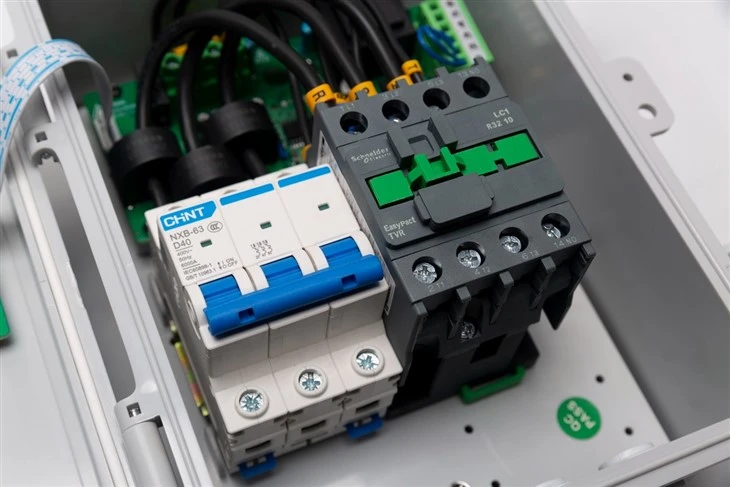
Before we explore the specific role of a contactor in a 3 Phase Pump Control Panel, let's first understand what a contactor is. A contactor is an electrically controlled switch that is used to make or break an electrical circuit. It consists of a coil, contacts, and an enclosure. When the coil is energized, it creates a magnetic field that pulls the contacts together, closing the circuit. When the coil is de - energized, the contacts return to their original position, opening the circuit.
Isolation and Safety
One of the primary functions of a contactor in a 3 Phase Pump Control Panel is to provide isolation. In a three - phase system, the power supply can be quite high, and it is essential to have a means of safely disconnecting the pump from the power source. The contactor acts as a barrier between the pump and the power supply. When maintenance or repairs are required, the contactor can be opened, cutting off the electrical connection to the pump. This ensures the safety of the maintenance personnel by preventing accidental electrical shock.
Control of Power Flow
The contactor also plays a vital role in controlling the power flow to the pump. In a 3 Phase Pump Control Panel, the contactor is used to start and stop the pump. When the control system sends a signal to start the pump, the contactor's coil is energized, and the contacts close, allowing the three - phase power to flow to the pump motor. Conversely, when a stop signal is received, the coil is de - energized, and the contacts open, stopping the power flow to the motor. This precise control of power flow is essential for the proper operation of the pump, as it allows the pump to be started and stopped as needed, based on the requirements of the system.

Handling High Currents
Three - phase pumps typically draw high currents, especially during startup. The contactor is designed to handle these high currents without overheating or causing damage. The contacts of the contactor are made of materials that can withstand the arcing and wear associated with high - current switching. Additionally, the contactor is sized appropriately to match the current requirements of the pump motor. This ensures that the contactor can safely carry the current needed to operate the pump, even under heavy load conditions.
Protection against Overloads
Another important function of the contactor in a 3 Phase Pump Control Panel is to provide protection against overloads. An overload occurs when the pump motor draws more current than it is rated for, which can be caused by factors such as a blocked impeller or a mechanical problem within the pump. The contactor can be paired with an overload relay. The overload relay monitors the current flowing through the contactor and the pump motor. If the current exceeds a pre - set limit, the overload relay will trip, de - energizing the contactor's coil and opening the contacts. This stops the power flow to the pump, protecting the motor from damage due to overheating.
Compatibility with Control Systems
In modern 3 Phase Pump Control Panels, the contactor needs to be compatible with various control systems. These control systems can include programmable logic controllers (PLCs), variable frequency drives (VFDs), and pressure switches. The contactor can be controlled by these systems to achieve different operating modes. For example, a PLC can be programmed to start and stop the pump based on a specific schedule or based on the level of water in a tank. The contactor must be able to respond accurately to the signals sent by these control systems to ensure the efficient and reliable operation of the pump.
Applications in Different Industries
The 3 Phase Pump Control Panels with contactors are widely used in various industries. In the water treatment industry, they are used to control the pumps that move water through the treatment process. In the oil and gas industry, these panels are used to control the pumps that transport oil and gas from wells to storage facilities. In the manufacturing industry, they are used to control the pumps that are part of the production process, such as cooling water pumps. The contactor's ability to provide reliable switching and control makes it an essential component in these applications.
Related Products
If you are interested in our 3 Phase Pump Control Panels, we also offer a range of related products. You can learn more about our 3 Phase Submersible Pump Control Panel, which is specifically designed for submersible pumps. Our 3 Phase Well Pump Control Box is ideal for well pump applications. And for more general control needs, our 3 Phase Pump Controller provides a comprehensive solution.
Conclusion
In conclusion, the contactor is a critical component in a 3 Phase Pump Control Panel. Its functions of isolation, power flow control, handling high currents, overload protection, and compatibility with control systems are essential for the safe and efficient operation of the pump. Whether you are in the water treatment, oil and gas, or manufacturing industry, a well - designed contactor in your 3 Phase Pump Control Panel can ensure the reliable performance of your pump system.
If you are in the market for a high - quality 3 Phase Pump Control Panel, we would be delighted to discuss your specific requirements. Our team of experts can provide you with detailed information and guidance on the best solutions for your needs. Please reach out to us to start a conversation about your pump control panel procurement.
References
- Electric Machinery Fundamentals, Stephen J. Chapman
- Electrical Installation Work, John McKenzie