

What is the difference between a basic single phase pump controller and an advanced one?
Sep 19, 2025
Hey there! As a supplier of single phase pump controllers, I've seen firsthand the confusion folks have when it comes to choosing between basic and advanced models. So, let's break down the differences to help you make the right pick for your needs.
Basic Single Phase Pump Controllers
Let's start with the basics. A basic single phase pump controller is like the reliable old workhorse of the pump world. It's simple, straightforward, and gets the job done without all the bells and whistles.
Functionality
At its core, a basic controller is designed to do one main thing: turn the pump on and off. It usually operates based on a simple pressure switch. When the pressure in the system drops below a certain level, the switch closes, and the pump starts running. Once the pressure reaches the set upper limit, the switch opens, and the pump shuts off.
For example, in a small residential water supply system, a basic controller can keep the water pressure stable. When you turn on a faucet, the water pressure in the pipes drops. The controller senses this and starts the pump to refill the system until the pressure is back up.
Features
These controllers typically have limited features. They often come with just the essential components needed for basic operation. You won't find fancy displays or advanced programming options. Most of the time, they're set up at the factory with fixed pressure settings, and there's not much you can adjust on your own.
Cost
One of the biggest advantages of a basic single phase pump controller is its affordability. If you're on a tight budget or have a simple pumping application, this is a great option. You can get a reliable basic controller without breaking the bank.
Advanced Single Phase Pump Controllers
Now, let's move on to the advanced models. These are like the high - tech sports cars of the pump controller world. They offer a lot more functionality and flexibility.
Functionality
Advanced controllers can do much more than just turn the pump on and off. They can monitor and control multiple parameters simultaneously. For instance, they can keep track of not only pressure but also flow rate, temperature, and even power consumption.
Some advanced controllers can also adapt to changing conditions. Let's say you have a pumping system that experiences variable demand throughout the day. An advanced controller can adjust the pump's speed to match the actual demand, saving energy in the process.
Features
These controllers come with a wide range of features. Many have digital displays that show real - time data about the pump's operation, such as pressure, flow, and power usage. You can also program them to suit your specific needs. You can set different pressure levels for different times of the day, or create custom operating schedules.
Some advanced controllers are also equipped with diagnostic tools. They can detect problems like leaks, blockages, or motor failures early on and send alerts to your phone or computer. This helps you address issues before they turn into major headaches.
Cost
Of course, all these extra features come at a price. Advanced single phase pump controllers are generally more expensive than their basic counterparts. But if you have a complex pumping system or need precise control, the investment can be well worth it in the long run.
Applications and Use Cases
Basic Controllers
Basic single phase pump controllers are perfect for simple applications. They're commonly used in small residential water systems, like wells or small irrigation setups. If you have a single - family home with a simple water supply needs, a basic controller can do the job just fine.

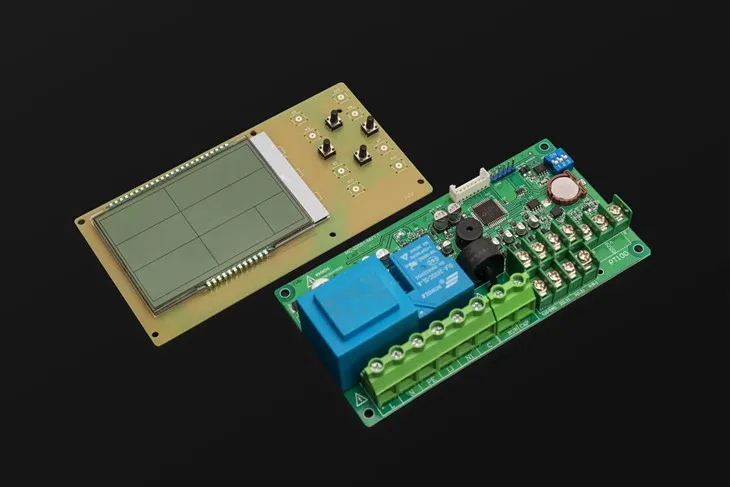
For example, in a small garden irrigation system, a basic controller can start the pump when it's time to water the plants and stop it when the job is done. It's easy to install and maintain, and you don't need to be a tech wizard to operate it.
Advanced Controllers
Advanced controllers are better suited for more complex applications. They're often used in commercial buildings, large industrial facilities, or agricultural operations with high - volume water demands.
In a commercial building, an advanced controller can manage the water supply for multiple floors and different types of fixtures. It can adjust the pump's operation based on the building's occupancy and water usage patterns, ensuring efficient water distribution.
In an agricultural setting, an advanced controller can optimize the irrigation process. It can take into account factors like soil moisture levels, weather conditions, and crop type to determine the best time and amount of water to pump.
The Importance of Choosing the Right Controller
Picking the right single phase pump controller is crucial. If you choose a basic controller for a complex application, you may run into problems. The controller may not be able to handle the demands of the system, leading to inefficient operation, premature pump wear, and even system failures.
On the other hand, if you go for an advanced controller when a basic one would suffice, you're wasting money on features you don't need. So, it's important to assess your specific needs before making a decision.
Where to Find the Right Controller
If you're in the market for a single phase pump controller, we've got you covered. We offer a wide range of both basic and advanced Single Phase Submersible Panel, Single Phase Submersible Pump Control Panel, and Single Phase Control Box. Our products are reliable, high - quality, and come with excellent customer support.
Whether you're a homeowner looking for a simple solution or a business owner with complex pumping needs, we can help you find the perfect controller for your application.
Conclusion
In conclusion, the main difference between a basic single phase pump controller and an advanced one lies in their functionality, features, and cost. Basic controllers are simple, affordable, and suitable for simple applications, while advanced controllers offer more functionality, flexibility, and diagnostic capabilities but come at a higher price.
If you're still not sure which controller is right for you, don't hesitate to reach out. We're here to help you make an informed decision. Contact us today to discuss your pumping needs and find the perfect single phase pump controller for your project.
References
- "Pump Handbook" by Igor J. Karassik et al.
- Various industry whitepapers on pump control systems.