

What factors should I consider when choosing a 2 Pump Controller?
Aug 22, 2025
When it comes to selecting a 2 Pump Controller, several crucial factors need to be taken into account to ensure optimal performance, reliability, and cost - effectiveness. As a supplier of 2 Pump Controllers, I have witnessed firsthand the diverse needs of customers and the importance of making an informed decision. In this blog, I will delve into the key factors that should guide your choice.
Pump Capacity and System Requirements
The first and foremost factor is the capacity of your pumps and the overall requirements of your pumping system. You need to determine the flow rate and pressure that your pumps are designed to handle. A 2 Pump Controller should be able to manage these pumps efficiently without overloading or under - utilizing them. For instance, if you have two high - capacity pumps in a large industrial water supply system, the controller must be capable of coordinating their operation to meet the high - volume demand. On the other hand, in a small residential sewage pumping system, a controller with lower capacity requirements would be sufficient.
It's also important to consider the type of pumps you are using. Different pumps, such as centrifugal pumps, positive displacement pumps, etc., have different operating characteristics. A good 2 Pump Controller should be compatible with the specific type of pumps in your system. Some controllers are designed specifically for certain pump types, and using an incompatible controller can lead to poor performance and even damage to the pumps.
Control Modes
2 Pump Controllers come with various control modes, and choosing the right one depends on your application. The most common control modes include alternation, lead - lag, and duty - assist.
In alternation mode, the controller alternates the operation of the two pumps. This helps to evenly distribute the wear and tear between the pumps, extending their lifespan. For example, in a water tank filling system, the controller can switch between the two pumps every time the tank needs to be filled.
Lead - lag mode designates one pump as the lead pump and the other as the lag pump. The lead pump operates first, and when the demand exceeds its capacity, the lag pump is brought into operation. This mode is useful in systems where there is a variable demand, such as in a commercial building's water supply system.
Duty - assist mode is similar to lead - lag mode, but in this case, the assist pump is used to supplement the duty pump when needed. The assist pump can be activated based on factors like pressure or flow rate.
Reliability and Durability
Reliability is a non - negotiable factor when choosing a 2 Pump Controller. You want a controller that can operate continuously without frequent breakdowns, especially in critical applications such as sewage pumping or fire suppression systems. Look for controllers that are built with high - quality components and have a proven track record of reliability.
Durability is also important, especially if the controller will be installed in harsh environments. Controllers should be able to withstand factors such as temperature variations, humidity, and dust. Some controllers are designed with rugged enclosures that protect the internal components from environmental damage. For example, in an outdoor water pumping station, a controller with a weather - resistant enclosure is essential.
Monitoring and Alarm Features
A good 2 Pump Controller should have monitoring and alarm features. These features allow you to keep track of the pump system's performance and detect any potential problems early. For example, the controller can monitor parameters such as pump current, voltage, pressure, and flow rate. If any of these parameters go out of the normal range, an alarm can be triggered.
The alarm can be in the form of a visual indicator (such as an LED light) or an audible signal. Some advanced controllers can also send remote notifications, such as emails or text messages, to alert you of any issues. This is particularly useful for large - scale systems where continuous on - site monitoring is not possible.
Energy Efficiency
Energy efficiency is becoming increasingly important in today's world. A 2 Pump Controller can play a significant role in reducing energy consumption. Some controllers are designed to optimize the operation of the pumps based on the demand. For example, they can adjust the speed of the pumps using variable frequency drives (VFDs) to match the actual flow and pressure requirements.
By reducing the energy consumption of the pumps, you can save on electricity costs in the long run. This is not only beneficial for your bottom line but also for the environment. When choosing a 2 Pump Controller, look for models that are specifically designed with energy - saving features.
Ease of Installation and Use
The ease of installation and use is another important factor. A controller that is difficult to install can result in additional costs and delays. Look for controllers that come with clear installation instructions and have a user - friendly interface.
Some controllers have a simple plug - and - play design, which makes installation quick and easy. The user interface should be intuitive, allowing operators to easily configure the controller settings, such as control modes, set points, etc. Additionally, some controllers offer remote configuration options, which means you can make changes to the settings without having to be physically present at the controller.
Cost
Cost is always a consideration when making a purchase. However, it's important to look beyond the initial purchase price. Consider the long - term costs, including energy consumption, maintenance, and replacement parts. A more expensive controller with advanced features and better reliability may actually save you money in the long run.
Compare the prices of different 2 Pump Controllers, but also evaluate their features and performance. Don't compromise on quality just to save a few dollars upfront. Look for a controller that offers the best value for your money, taking into account all the factors mentioned above.
Compatibility with Existing Systems
If you already have an existing pumping system, you need to ensure that the 2 Pump Controller is compatible with it. This includes compatibility with the pumps, sensors, and other control equipment in the system. Some controllers may require specific types of sensors or communication protocols, so make sure to check these details before making a purchase.
For example, if your system already has pressure sensors installed, the new controller should be able to interface with these sensors. Compatibility issues can lead to system malfunctions and additional costs for retrofitting or replacing existing components.
Our Product Offerings
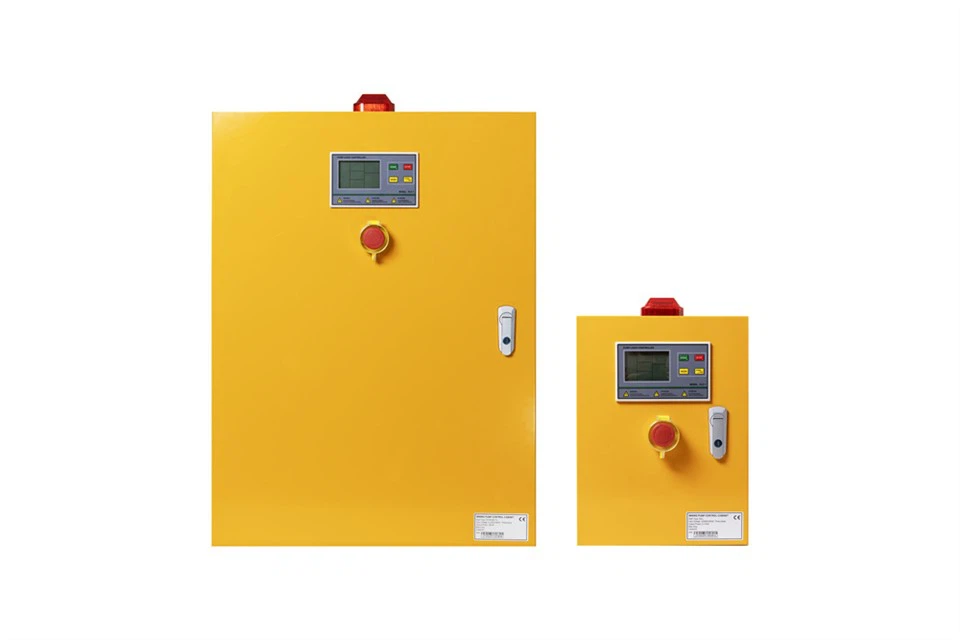
As a 2 Pump Controller supplier, we offer a range of high - quality products to meet different customer needs. Our 2 Pump Intelligent Pump Controller is designed with advanced control algorithms to optimize pump operation. It has multiple control modes, including alternation, lead - lag, and duty - assist, and is compatible with a wide range of pump types.
Our Duplx Intelligent Pump Control Box is a rugged and reliable solution for various pumping applications. It features a weather - resistant enclosure, making it suitable for outdoor installations. It also comes with comprehensive monitoring and alarm features to ensure the safety and efficiency of your pumping system.
The Duplex Digital Pump Controller offers precise control and easy configuration. It has a user - friendly interface and can be easily integrated into existing systems. With its energy - saving features, it helps to reduce operating costs in the long run.

Conclusion
Choosing the right 2 Pump Controller is a critical decision that can have a significant impact on the performance and reliability of your pumping system. By considering factors such as pump capacity, control modes, reliability, energy efficiency, etc., you can make an informed choice. Our company is committed to providing high - quality 2 Pump Controllers that meet the diverse needs of our customers. If you are interested in learning more about our products or have any questions regarding the selection of a 2 Pump Controller, we encourage you to contact us for a detailed discussion and potential procurement.
References
- Pump Handbook, by Igor Karassik et al.
- Control Systems Engineering, by Norman S. Nise.