

What are the main components of a three - phase pump controller?
Aug 06, 2025
Hey there! As a supplier of Three Phase Pump Controllers, I'm stoked to break down the main components of these nifty devices. Three-phase pump controllers are essential for managing and protecting three-phase pumps, ensuring they operate efficiently and safely. Let's dive right in and explore what makes them tick.
1. Power Circuit Components
First up, we've got the power circuit components. These are the heavy hitters that handle the actual electrical power going to the pump.

Contactors
Contactors are like the gatekeepers of the power flow. They're electromechanical switches that can handle high currents. When the controller sends a signal, the contactor closes, allowing electricity to flow to the pump motor. And when it's time to stop the pump, the contactor opens, cutting off the power. They're crucial for starting and stopping the pump safely and reliably.
Overload Relays
Overload relays are the bodyguards of the pump motor. They monitor the current flowing through the motor and protect it from overheating. If the current exceeds a certain limit for too long, the overload relay will trip, opening the circuit and shutting down the pump. This prevents damage to the motor and extends its lifespan. There are different types of overload relays, such as thermal and electronic, each with its own advantages.
Circuit Breakers
Circuit breakers are another important safety feature. They act as a last line of defense in case of a short circuit or other serious electrical fault. If there's a sudden surge in current, the circuit breaker will trip, cutting off the power to the entire circuit. This helps prevent electrical fires and other hazards.
2. Control Circuit Components
The control circuit components are responsible for regulating the operation of the pump based on various conditions.
Programmable Logic Controller (PLC)
A PLC is like the brain of the pump controller. It's a small computer that can be programmed to control the pump's start, stop, and speed based on different inputs. For example, you can program the PLC to start the pump when the water level in a tank drops below a certain point and stop it when the tank is full. PLCs are highly flexible and can be customized to meet the specific needs of different applications.
Pressure Switches
Pressure switches are used to monitor the pressure in the system. They can be set to turn the pump on or off when the pressure reaches a certain level. For instance, in a water supply system, a pressure switch can be used to start the pump when the pressure drops below a set point and stop it when the pressure reaches the desired level. This helps maintain a constant pressure in the system.
Level Sensors
Level sensors are used to detect the level of liquid in a tank or reservoir. They can be used in conjunction with the PLC or other control devices to start or stop the pump based on the liquid level. There are different types of level sensors, such as float switches, ultrasonic sensors, and capacitance sensors, each suitable for different applications.
3. Monitoring and Protection Components
These components help keep an eye on the pump's performance and protect it from various problems.
Voltage Sensors
Voltage sensors monitor the voltage supplied to the pump motor. They can detect voltage fluctuations and protect the motor from damage caused by overvoltage or undervoltage. If the voltage goes outside the acceptable range, the controller can take appropriate action, such as shutting down the pump or adjusting its speed.
Current Sensors
Current sensors measure the current flowing through the motor. They provide valuable information about the motor's load and can help detect problems such as a blocked impeller or a short circuit. By monitoring the current, the controller can optimize the pump's operation and prevent unnecessary wear and tear.
Temperature Sensors
Temperature sensors are used to monitor the temperature of the motor and other critical components. They can detect overheating and take action to prevent damage. For example, if the motor temperature exceeds a certain limit, the controller can shut down the pump or activate a cooling system.
4. Enclosure and Mounting Components
The enclosure and mounting components are important for protecting the internal components of the controller and ensuring its proper installation.
Enclosure
The enclosure is the housing that protects the controller from dust, moisture, and other environmental factors. It's usually made of metal or plastic and is designed to be durable and weatherproof. The enclosure also helps prevent accidental contact with live electrical parts, ensuring the safety of the operators.
Mounting Brackets
Mounting brackets are used to secure the controller to a wall or other surface. They provide a stable and secure mounting platform and make it easy to install and remove the controller if needed.
5. User Interface Components
The user interface components allow the operator to interact with the pump controller and monitor its operation.
Display Screen
A display screen provides real-time information about the pump's status, such as its speed, temperature, and current consumption. It also allows the operator to view and adjust the controller's settings. Some display screens are touch-sensitive, making it easy to navigate through the menus and make changes.
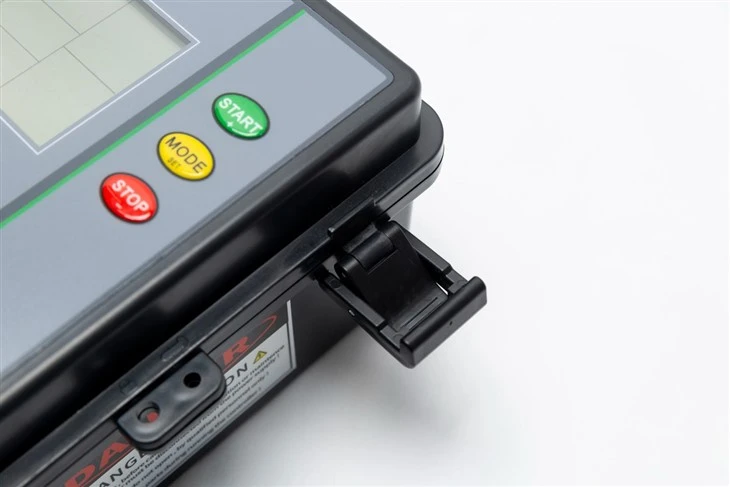
Control Buttons
Control buttons are used to start, stop, and adjust the operation of the pump. They provide a simple and intuitive way for the operator to control the pump without having to use a computer or other complex device.
Conclusion
So, there you have it - the main components of a three-phase pump controller. Each component plays a crucial role in ensuring the efficient and safe operation of the pump. Whether you're looking for a 3 Phase Control Panel for Submersible Pump, a 3 Phase Submersible Pump Control Panel, or a Three Phase Submersible Pump Control Panel, understanding these components will help you make an informed decision.
If you're in the market for a three-phase pump controller or have any questions about our products, don't hesitate to reach out. We're here to help you find the right solution for your needs. Contact us today to start a conversation about your requirements and let's work together to keep your pumps running smoothly.
References
- Electrical Engineering Handbook, Third Edition
- Pump Handbook, Fourth Edition