

What is the output signal of a pump controller?
Jan 06, 2026
Hey there! As a pump controller supplier, I often get asked about the output signals of pump controllers. So, I thought it'd be cool to break it down and share some insights with you all.
First off, let's talk about what a pump controller is. A pump controller is a device that manages the operation of a pump. It makes sure the pump turns on and off at the right times, adjusts the flow rate, and protects the pump from damage. And the output signals play a crucial role in this whole process.
Types of Output Signals
1. Relay Outputs
Relay outputs are one of the most common types of output signals in pump controllers. A relay is an electrical switch that can be controlled remotely. When an input signal reaches a certain condition (like a specific water level or pressure), the pump controller activates the relay.
For instance, in a simple water pumping system, the pump controller might use a relay to turn the pump on when the water level in a tank drops below a set point. And it'll turn the pump off when the water level reaches the upper limit. These relays can handle different loads, depending on the design of the pump controller.
If you're looking for a single - phase solution to manage the pump operation, you might want to check out our Control Panel Single Phase Submersible Pump. It uses reliable relay outputs to ensure smooth operation of your submersible pump.
2. Analog Outputs
Analog outputs provide a continuous signal that can be used to control a variable. In the context of pump controllers, analog outputs are often used to regulate the speed of the pump. For example, in a variable - frequency drive (VFD) controlled pump system, the pump controller can send an analog signal to the VFD to adjust the frequency of the electrical power supplied to the pump.
A lower frequency means the pump will run slower, reducing the flow rate and power consumption. On the other hand, a higher frequency makes the pump run faster, increasing the flow rate. This kind of control is great for applications where you need to precisely control the flow rate, like in a water distribution network.
Digital Outputs
Digital outputs are binary signals, meaning they can be either on (1) or off (0). They're used to signal the status of the pump or the pump controller. For example, a digital output can indicate whether the pump is running or not, if there's a fault in the system, or if the water level is too high or too low.
These signals can be used to interface with other control systems, like a building management system. If there's a fault in the pump, the digital output can send a signal to the management system, which can then trigger an alarm or take other appropriate actions.
Pulse Outputs
Pulse outputs are used to measure the flow rate or the number of operations of the pump. The controller sends out a series of pulses, and the number of pulses in a given time period is proportional to the flow rate or the number of times the pump has started and stopped.
This is useful for monitoring and billing purposes. For example, in a water supply system, the pulse output can be used to measure the amount of water pumped, and the customer can be billed accordingly.
How Output Signals Impact Pump Performance
The output signals of a pump controller have a direct impact on the performance of the pump. By using the right output signals, you can optimize the pump operation, reduce energy consumption, and extend the life of the pump.
For example, if you're using a relay output to control the on - off operation of the pump, you can set the set points carefully to avoid frequent starts and stops. Frequent cycling can cause wear and tear on the pump motor and other components.
With analog outputs, you can match the pump's speed to the actual demand. This means that the pump doesn't have to run at full speed all the time, saving a significant amount of energy.

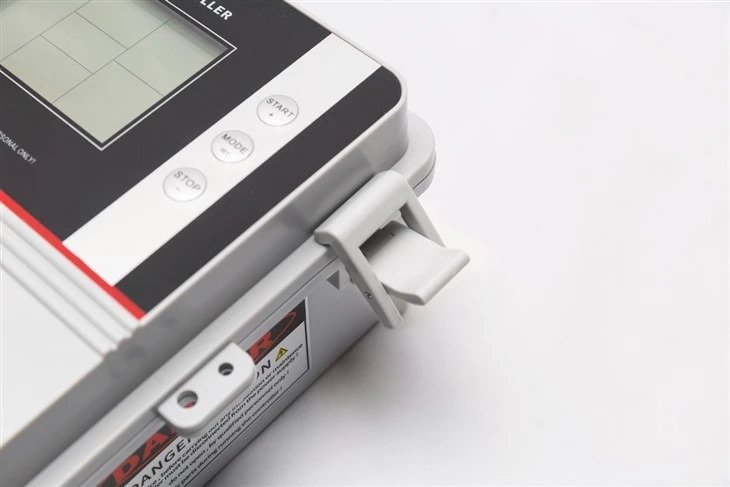
Our Product Range and Output Signals
We at our company offer a wide range of pump controllers with different output signals to meet various application needs. Our Duplex Intelligent Pump Control Box is designed for systems with two pumps. It uses advanced relay and digital outputs to manage the operation of the pumps efficiently. It can alternate between the two pumps, ensuring even wear and tear, and can also provide status signals for monitoring.
If you're dealing with a three - phase submersible pump, our 3 Phase Control Panel for Submersible Pump is a great choice. It has sophisticated analog and digital output capabilities to control the pump speed, monitor the system status, and protect the pump from various faults.
Customizing Output Signals
We understand that different customers have different requirements. That's why we offer customization options for the output signals of our pump controllers. Whether you need a specific combination of relay, analog, digital, or pulse outputs, or you want to set the set points according to your unique application, we can work with you to develop a solution that fits your needs.
Contact Us for Your Pump Controller Needs
If you're in the market for a pump controller and want to learn more about the output signals and how they can benefit your application, don't hesitate to get in touch. We're here to answer all your questions, provide you with detailed product information, and help you choose the right pump controller for your specific requirements.
We take pride in offering high - quality pump controllers with reliable output signals. Whether it's a small - scale residential application or a large - scale industrial project, we have the expertise and the products to meet your needs. So, reach out to us today and let's start a conversation about how our pump controllers can work for you.
References
- Pump Control Handbook, 2023 Edition
- Electrical Control Systems for Pumps, published by Pump Engineering Press
- Guide to Pump Controller Output Signals, Industry Research Report 2022