

What are the testing methods for a 3 Phase Pump Control Panel?
Jun 16, 2025
As a supplier of 3 Phase Pump Control Panels, I understand the critical importance of ensuring these panels function flawlessly. A 3 Phase Pump Control Panel is designed to manage and protect three - phase pumps, which are widely used in various industrial and commercial applications such as water supply systems, wastewater treatment, and agricultural irrigation. In this blog, I will delve into the testing methods for a 3 Phase Pump Control Panel to guarantee its reliability and performance.
Visual Inspection
The first step in testing a 3 Phase Pump Control Panel is a thorough visual inspection. This simple yet crucial process can help identify obvious issues before moving on to more complex tests.

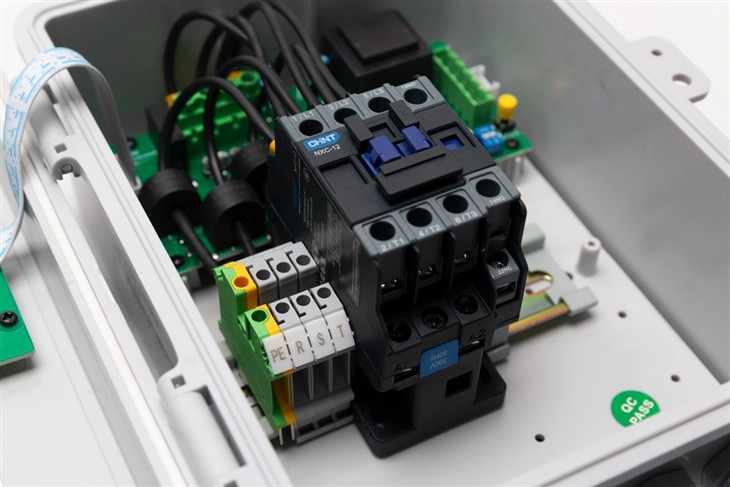
- Physical Damage: Check the panel enclosure for any signs of cracks, dents, or corrosion. Physical damage can compromise the panel's integrity and lead to safety hazards. Ensure that all doors and covers are properly sealed to prevent dust, moisture, and other contaminants from entering the panel.
- Component Installation: Examine the internal components of the panel, such as circuit breakers, contactors, relays, and fuses. Make sure they are securely mounted and properly connected. Loose connections can cause overheating, arcing, and electrical failures. Look for any signs of burnt components, which may indicate a previous fault or overload.
- Labeling and Wiring: Verify that all components are clearly labeled, and the wiring is neatly organized. Incorrect labeling can lead to confusion during maintenance and troubleshooting, while messy wiring can increase the risk of short circuits. Check the wire gauge to ensure it is appropriate for the current rating of the circuit.
Electrical Testing
After the visual inspection, it's time to conduct electrical tests to assess the performance of the 3 Phase Pump Control Panel.
- Insulation Resistance Testing: Insulation resistance testing is used to measure the resistance between the electrical conductors and the panel's enclosure. A high insulation resistance indicates that the insulation is in good condition and there is no leakage current. Use a megohmmeter to perform this test. Disconnect all power sources from the panel and measure the insulation resistance between each phase conductor and the ground. The insulation resistance value should meet the manufacturer's specifications.
- Continuity Testing: Continuity testing is used to check if there is a complete electrical path between two points in a circuit. Use a multimeter set to the continuity mode to test the continuity of wires, contacts, and components. Touch the probes of the multimeter to the two points you want to test. If the multimeter beeps or shows a low resistance value, it means there is continuity. Continuity testing can help identify open circuits, broken wires, or faulty contacts.
- Voltage Testing: Voltage testing is essential to ensure that the panel is receiving the correct voltage supply. Use a multimeter to measure the voltage between each phase conductor and the neutral conductor, as well as between the phase conductors. The voltage values should be within the acceptable range specified by the pump's motor rating. Voltage imbalances can cause the motor to overheat and reduce its lifespan.
- Current Testing: Current testing is used to measure the amount of current flowing through the circuit. Use a clamp - on ammeter to measure the current in each phase conductor. The current values should be balanced and within the rated current of the pump motor. Excessive current can indicate a short circuit, overloading, or a faulty component.
Functional Testing
Functional testing is the most comprehensive test method, which verifies that the 3 Phase Pump Control Panel operates as intended under normal and abnormal conditions.
- Start - Stop Function: Test the start - stop function of the panel by activating the start and stop buttons. The pump should start and stop smoothly without any delays or abnormal noises. Check if the control panel can control the pump motor in both manual and automatic modes.
- Overload Protection: Simulate an overload condition by increasing the current flowing through the circuit to a value above the rated current of the pump motor. The overload protection device, such as a thermal overload relay, should trip and stop the pump motor within a specified time. This test ensures that the panel can protect the pump motor from damage caused by excessive current.
- Under - Voltage and Over - Voltage Protection: Test the under - voltage and over - voltage protection functions by adjusting the voltage supply to the panel. The control panel should detect any abnormal voltage conditions and take appropriate actions, such as shutting down the pump motor or sending an alarm signal.
- Phase Loss Protection: Simulate a phase loss condition by disconnecting one of the phase conductors. The phase loss protection device should detect the loss of a phase and stop the pump motor to prevent damage to the motor.
Software Testing (if applicable)
Some modern 3 Phase Pump Control Panels are equipped with software for advanced control and monitoring functions. If your panel has software, it is necessary to perform software testing.
- Functionality Testing: Test all the software - controlled functions, such as pump speed control, flow rate monitoring, and fault diagnosis. Make sure that the software interfaces are user - friendly and the functions work as expected.
- Compatibility Testing: Check the compatibility of the software with different operating systems, communication protocols, and hardware devices. Ensure that the panel can communicate effectively with other components in the system, such as sensors and remote monitoring devices.
- Security Testing: In today's digital age, security is a major concern. Test the software's security features, such as user authentication, data encryption, and access control. Protect the panel from unauthorized access and cyber - attacks.
Documentation and Reporting
After completing all the tests, it is important to document the test results and generate a detailed report. The report should include the following information:
- Test Objectives: Clearly state the purpose of the tests and the performance criteria.
- Test Procedures: Describe the testing methods and procedures used, including the equipment and tools employed.
- Test Results: Present the test results in a clear and organized manner, including the measured values, test outcomes, and any observations or deviations from the specifications.
- Conclusion and Recommendations: Summarize the test findings and provide recommendations for any necessary repairs, adjustments, or improvements.
In conclusion, thorough testing of a 3 Phase Pump Control Panel is essential to ensure its safety, reliability, and performance. By following the testing methods outlined in this blog, you can identify and address any potential issues before the panel is installed and put into operation. As a trusted supplier of 3 Phase Submersible Pump Control Panel, Three Phase Submersible Pump Control Panel, and 3 Phase Control Panel for Submersible Pump, we are committed to providing high - quality products that meet the strictest industry standards.
If you are interested in purchasing our 3 Phase Pump Control Panels or have any questions about our testing processes, please feel free to contact us for a detailed discussion and procurement negotiation. We look forward to serving you and meeting your specific requirements.
References
- Electrical Installation Guide for 3 Phase Pump Control Panels, Manufacturer's Manual
- Standards for Testing Electrical Equipment, International Electrotechnical Commission (IEC)
- Handbook of Pump Systems, Industry Publication