

What are the technical specifications of a single pump control panel?
May 12, 2025
As a supplier of single pump control panels, I am often asked about the technical specifications of these crucial components in various pumping systems. Understanding these specifications is essential for both our clients and those in the industry who rely on efficient and reliable pump operations. In this blog post, I will delve into the key technical aspects of single pump control panels, providing insights that will help you make informed decisions when selecting the right control panel for your specific needs.

Power Supply
One of the fundamental technical specifications of a single pump control panel is the power supply. The power supply determines the electrical requirements for the control panel to operate effectively. Most single pump control panels are designed to work with either single-phase or three-phase power systems, depending on the pump's power requirements and the application.
Single-phase power supplies are commonly used for smaller pumps, such as those found in residential or light commercial applications. They typically operate at 120V or 240V and are suitable for pumps with lower power ratings. On the other hand, three-phase power supplies are used for larger pumps in industrial or commercial settings. Three-phase power provides a more stable and efficient power source, allowing pumps to operate at higher power levels. Our Control Panel Single Phase Submersible Pump is specifically designed for single-phase submersible pumps, offering reliable control and protection in various applications.
Voltage Rating
The voltage rating of a single pump control panel is closely related to the power supply. It indicates the maximum voltage that the control panel can safely handle. It is crucial to match the voltage rating of the control panel with the power supply and the pump's requirements. Using a control panel with an incorrect voltage rating can lead to equipment damage, reduced performance, or even safety hazards.
When selecting a single pump control panel, it is important to consider the voltage fluctuations in your area. Some control panels are designed to tolerate a certain degree of voltage variation, while others require a more stable power supply. Our control panels are engineered to provide reliable performance within a specified voltage range, ensuring optimal operation even in challenging electrical environments.
Current Rating
The current rating of a single pump control panel refers to the maximum current that the control panel can carry without overheating or causing damage. It is determined by the size and capacity of the electrical components within the control panel, such as circuit breakers, contactors, and relays. The current rating must be sufficient to handle the starting and running currents of the pump.
During the starting process, pumps typically draw a higher current than during normal operation. This is known as the inrush current. The control panel must be able to withstand this initial surge of current without tripping the circuit breaker or causing other electrical problems. Our single pump control panels are designed with appropriate current ratings to ensure reliable operation under all conditions.
Control Functions
Single pump control panels offer a variety of control functions to meet the specific needs of different pumping applications. These functions can include manual control, automatic control, and protection features.
- Manual Control: Manual control allows the user to start and stop the pump manually using a switch or button on the control panel. This is useful for applications where the pump needs to be operated intermittently or for maintenance purposes.
- Automatic Control: Automatic control enables the pump to start and stop automatically based on certain conditions, such as water level, pressure, or flow rate. This is commonly used in applications such as sewage pumping, water supply systems, and irrigation. Our Sewage Single Pump Controller is designed to provide automatic control for sewage pumps, ensuring efficient and reliable operation.
- Protection Features: Single pump control panels are equipped with various protection features to safeguard the pump and the control panel from damage. These features can include overload protection, short-circuit protection, under-voltage protection, and over-voltage protection. Overload protection prevents the pump from overheating by shutting it down when the current exceeds a certain limit. Short-circuit protection protects the electrical system from damage caused by a short circuit. Under-voltage and over-voltage protection ensure that the pump operates within a safe voltage range.
Enclosure Type
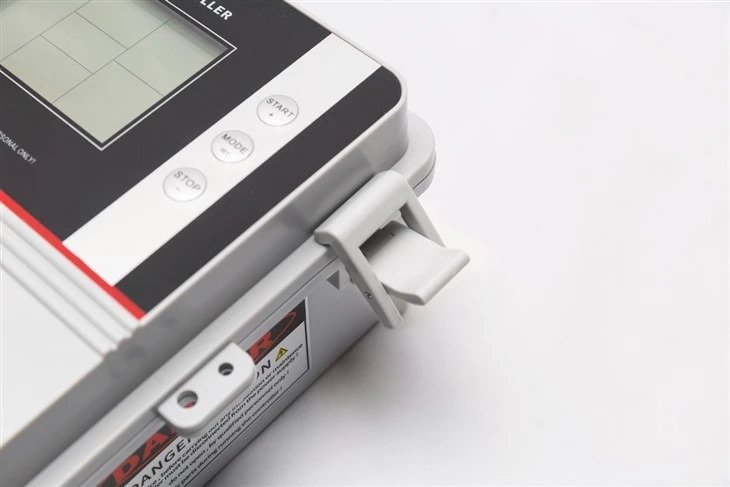
The enclosure type of a single pump control panel is an important consideration, especially in harsh or outdoor environments. The enclosure protects the electrical components of the control panel from dust, moisture, and other environmental factors.
There are several types of enclosures available, including NEMA (National Electrical Manufacturers Association) enclosures. NEMA enclosures are classified based on their degree of protection against environmental hazards. For example, NEMA 1 enclosures are suitable for indoor use in dry, clean environments, while NEMA 4 enclosures are designed for outdoor use and provide protection against water and dust. Our single pump control panels are available in a range of enclosure types to meet the specific requirements of different applications.
Communication Interfaces
In today's digital age, many single pump control panels are equipped with communication interfaces to allow for remote monitoring and control. These interfaces can include Ethernet, Modbus, Profibus, and other industrial communication protocols.
Remote monitoring and control enable users to monitor the status of the pump and the control panel from a central location, such as a control room or a mobile device. This can improve efficiency, reduce downtime, and enable proactive maintenance. Our single pump control panels can be integrated with advanced monitoring and control systems, providing real-time data and alerts to help you manage your pumping systems more effectively.
Temperature and Humidity Range
The temperature and humidity range in which a single pump control panel can operate is another important specification. Extreme temperatures and high humidity can affect the performance and reliability of the electrical components within the control panel.
Most single pump control panels are designed to operate within a specific temperature range, typically between -20°C and 60°C. They are also designed to withstand a certain level of humidity, usually up to 95% relative humidity. It is important to ensure that the operating environment of the control panel falls within these specified ranges to prevent damage and ensure optimal performance.
Dimensions and Mounting
The dimensions and mounting options of a single pump control panel are important considerations, especially when space is limited. The control panel should be sized appropriately to fit in the available space and should be easy to install and mount.

Our single pump control panels are available in a variety of sizes and mounting options to meet the specific requirements of different applications. They can be wall-mounted, floor-mounted, or installed in a cabinet. The compact design of our control panels makes them suitable for use in tight spaces, while the easy-to-install mounting options ensure quick and hassle-free installation.
Compatibility with Pumps
Finally, it is important to ensure that the single pump control panel is compatible with the pump you are using. The control panel should be able to handle the power requirements, control functions, and protection needs of the pump.
When selecting a single pump control panel, it is recommended to consult with the pump manufacturer or a qualified electrical engineer to ensure compatibility. Our team of experts is available to provide technical support and assistance in selecting the right control panel for your specific pump and application.

In conclusion, understanding the technical specifications of a single pump control panel is essential for selecting the right control panel for your pumping system. By considering factors such as power supply, voltage rating, current rating, control functions, enclosure type, communication interfaces, temperature and humidity range, dimensions and mounting, and compatibility with pumps, you can ensure that your control panel provides reliable and efficient operation.
If you are interested in learning more about our single pump control panels or have any questions about the technical specifications, please feel free to contact us. Our team of experts is ready to assist you in selecting the right control panel for your specific needs and to provide you with the highest level of customer service. We look forward to the opportunity to work with you and to help you optimize your pumping systems.
References
- Electrical Installation Guide for Pump Control Panels. Industry Standard Publication.
- Handbook of Pump Systems and Control. Professional Engineering Book.
- Technical Datasheets of Single Pump Control Panels. Manufacturer's Documentation.