

What are the quality standards for a sewage control panel?
Aug 13, 2025
As a supplier of sewage control panels, I understand the critical importance of quality standards in this field. Sewage control panels play a vital role in managing and regulating the flow of sewage, ensuring the proper functioning of sewage systems, and protecting public health and the environment. In this blog, I will discuss the key quality standards that a sewage control panel should meet.
Material and Construction Quality
The materials used in the construction of a sewage control panel are of utmost importance. High - quality panels are typically made from durable materials that can withstand the harsh environment of sewage treatment facilities. For example, the enclosure of the control panel should be made of corrosion - resistant materials such as stainless steel or fiberglass. Stainless steel is a popular choice due to its excellent strength, durability, and resistance to rust and corrosion. Fiberglass, on the other hand, is lightweight, non - conductive, and also offers good corrosion resistance.
The internal components of the control panel, such as circuit breakers, relays, and contactors, should be sourced from reputable manufacturers. These components need to be able to operate reliably under the electrical loads and environmental conditions present in sewage systems. For instance, the circuit breakers should be able to trip accurately in case of over - current or short - circuit situations to prevent damage to the panel and the connected equipment.
Electrical Safety Standards
Electrical safety is a top priority when it comes to sewage control panels. The panel should comply with relevant electrical safety standards, such as the National Electrical Code (NEC) in the United States or the International Electrotechnical Commission (IEC) standards globally. These standards cover aspects such as proper grounding, insulation, and protection against electrical shock.
Proper grounding is essential to ensure that any electrical faults are safely diverted to the ground, protecting personnel and equipment. The control panel should have a dedicated grounding conductor that is properly sized and connected to a reliable grounding system. Insulation of electrical components is also crucial to prevent short - circuits and electrical leakage. All electrical wires and components should be insulated to a sufficient level to withstand the operating voltage and environmental conditions.
In addition, the panel should be equipped with appropriate protective devices, such as fuses and circuit breakers, to prevent over - current and short - circuit situations. These devices should be properly rated for the electrical load of the panel and the connected equipment.
Functionality and Performance
A high - quality sewage control panel should offer reliable functionality and performance. It should be able to accurately monitor and control the various parameters of the sewage system, such as water level, flow rate, and pump operation. For example, the panel should be able to detect when the sewage level in a tank reaches a certain point and automatically start or stop the pumps accordingly.
The control panel should also have a user - friendly interface that allows operators to easily monitor and adjust the settings. This can include features such as digital displays, touch - screen interfaces, or remote monitoring capabilities. Remote monitoring is particularly useful as it allows operators to monitor the system from a distance, enabling quick response to any issues that may arise.
In terms of performance, the control panel should be able to operate continuously and reliably over an extended period. It should be able to withstand power surges, voltage fluctuations, and other electrical disturbances without malfunctioning. Regular maintenance and testing are also necessary to ensure that the panel continues to perform at its best.

Environmental Resistance
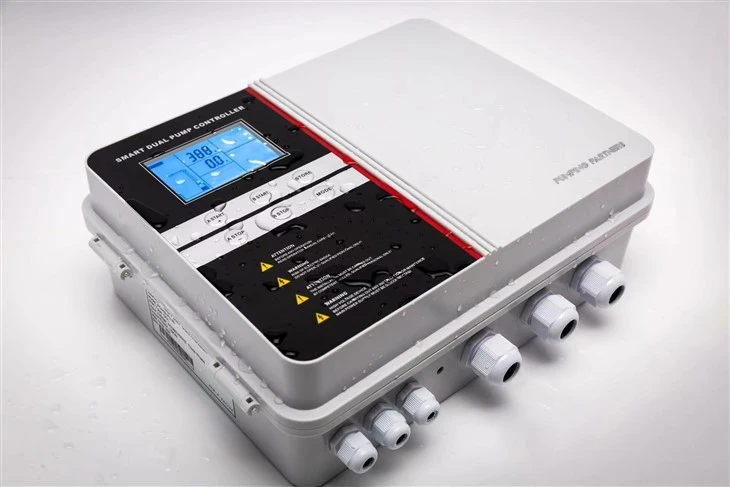
Sewage control panels are often installed in harsh environmental conditions, such as wet, dirty, and corrosive environments. Therefore, they need to be designed to resist these environmental factors. The enclosure of the panel should be sealed to prevent the ingress of water, dust, and other contaminants. It should have an appropriate Ingress Protection (IP) rating, such as IP65 or higher, which indicates a high level of protection against water and dust.
In addition to water and dust resistance, the panel should also be resistant to corrosion. As mentioned earlier, using corrosion - resistant materials for the enclosure and internal components is essential. The panel may also be coated with a protective layer to further enhance its corrosion resistance.
Compliance with Industry Regulations
In addition to electrical safety standards, sewage control panels need to comply with various industry regulations. These regulations are in place to ensure the proper management and treatment of sewage and to protect the environment. For example, in some regions, there are regulations regarding the discharge of sewage into water bodies, and the control panel should be able to help ensure compliance with these regulations.
The panel may also need to comply with regulations related to noise emissions, especially if the pumps are located in residential or sensitive areas. It should be designed to operate quietly and within the permitted noise levels.
Testing and Certification
Before a sewage control panel is released to the market, it should undergo rigorous testing to ensure that it meets all the quality standards. This can include electrical testing, functionality testing, environmental testing, and safety testing. The panel should be tested under various operating conditions to simulate real - world scenarios.
Once the panel has passed all the tests, it should be certified by a recognized certification body. This certification provides assurance to customers that the panel meets the required quality and safety standards. Some common certifications for sewage control panels include UL (Underwriters Laboratories) certification in the United States and CE (Conformité Européene) certification in Europe.
Customization and Flexibility
Every sewage system is unique, and a good sewage control panel supplier should be able to offer customization options. The panel should be able to be tailored to the specific requirements of the customer's sewage system. This can include the number and type of pumps, the control algorithms, and the interface options.
Flexibility is also important in terms of future expansion or modification of the sewage system. The control panel should be designed in such a way that it can easily accommodate additional sensors, pumps, or other equipment as the system grows or changes.
Documentation and Support
A high - quality sewage control panel should come with comprehensive documentation, including installation manuals, operation manuals, and maintenance guides. These documents provide valuable information to the users on how to properly install, operate, and maintain the panel.
In addition to documentation, the supplier should also offer good technical support. This can include providing assistance with installation, troubleshooting, and answering any questions that the customers may have. A reliable supplier should have a team of experienced technicians who can quickly respond to customer inquiries and provide solutions to any problems.
Conclusion
In conclusion, a sewage control panel that meets high - quality standards is essential for the proper functioning of sewage systems. It should be made of high - quality materials, comply with electrical safety and industry regulations, offer reliable functionality and performance, be resistant to environmental factors, and come with proper testing, certification, customization options, and support.
If you are in the market for a Sewage Control Panel, Sewage Pump Control Panel, or Sewer Control Panel, I encourage you to contact us for a detailed discussion on your specific requirements. We are committed to providing high - quality products that meet your needs and exceed your expectations.
References
- National Electrical Code (NEC)
- International Electrotechnical Commission (IEC) standards
- Ingress Protection (IP) standards