

What are the installation requirements for a sewage pump control panel?
Aug 04, 2025
As a supplier of Sewage Pump Control Panels, I've encountered numerous inquiries regarding the installation requirements for these crucial components. In this blog, I'll delve into the key aspects that need to be considered when installing a sewage pump control panel.
Location Selection
The first and foremost consideration is the location where the sewage pump control panel will be installed. It should be placed in a dry and well - ventilated area. Moisture is one of the biggest enemies of electrical equipment, including control panels. A damp environment can lead to corrosion of electrical components, short - circuits, and ultimately, system failure.
For instance, if the control panel is installed in a basement where water leakage is common, it is highly likely to be damaged over time. It's recommended to mount the panel at least 18 inches above the floor to avoid potential water splashes or floods. Additionally, the area should have good air circulation to dissipate heat generated by the panel's operation. A stuffy and hot environment can cause the components to overheat, reducing their lifespan and performance.
Electrical Requirements
Proper electrical connections are vital for the safe and efficient operation of a sewage pump control panel. First, the power supply must match the panel's specifications. Most sewage pump control panels are designed to operate on standard voltages, such as 120V or 240V. Using an incorrect voltage can damage the panel and pose a significant safety hazard.
The electrical circuit should also be properly sized to handle the load of the control panel and the connected sewage pumps. An undersized circuit can lead to overheating of wires, which may cause a fire. It's essential to consult an electrician to determine the appropriate wire gauge and circuit breaker size based on the panel's power requirements.
Moreover, the control panel should be grounded correctly. Grounding provides a path for electrical current to flow safely into the earth in case of a short - circuit or electrical fault. This helps protect both the equipment and the users from electric shock.
Mounting and Structural Integrity
The sewage pump control panel needs to be securely mounted on a stable surface. A flimsy or unstable mounting can cause vibrations during the operation of the pumps, which may loosen the internal connections of the panel over time. This can lead to intermittent operation or complete failure of the control system.
The mounting surface should be flat and strong enough to support the weight of the panel. Wall - mounting is a common option, but if the wall is made of a weak material like drywall, additional support brackets may be required. The panel should be installed using the appropriate hardware, such as screws or bolts, to ensure a tight and secure fit.
Accessibility
Accessibility is another important factor. The control panel should be installed in a location where it can be easily accessed for maintenance, inspection, and troubleshooting. This means that there should be enough clearance around the panel to allow technicians to open the door, reach the internal components, and perform necessary adjustments.
For example, if the panel is installed in a corner with limited space around it, it will be difficult to access the wiring terminals or replace faulty components. Adequate clearance also helps in case of an emergency, as quick access to the panel can be crucial for shutting down the system or making necessary repairs.
Compatibility with Sewage Pumps
The control panel must be compatible with the sewage pumps it is intended to control. Different sewage pumps have different operating characteristics, such as flow rate, power consumption, and starting methods. The control panel should be able to handle these variations and provide the appropriate control signals.
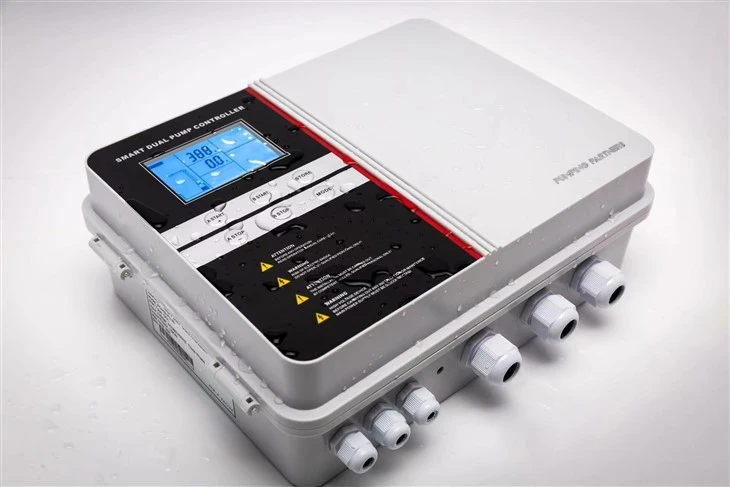

For example, some pumps may require a soft - start feature to reduce the inrush current during startup. The control panel should be capable of providing this function if needed. Additionally, the number of pumps connected to the panel should not exceed its capacity. Overloading the panel can cause it to malfunction and may damage the pumps as well.
Environmental Considerations
In addition to the moisture and ventilation requirements mentioned earlier, the installation location may also be subject to other environmental factors. For example, if the panel is installed outdoors, it needs to be protected from direct sunlight, rain, and extreme temperatures.
A weatherproof enclosure can be used to shield the panel from the elements. The enclosure should be rated for the appropriate environmental conditions, such as NEMA (National Electrical Manufacturers Association) ratings. NEMA 3R enclosures are suitable for outdoor use and provide protection against falling rain, sleet, and snow.
Safety Features
The installation of a sewage pump control panel should also take into account the necessary safety features. The panel should be equipped with overload protection, which will automatically shut off the power to the pumps if the current exceeds a safe level. This helps prevent damage to the pumps and the control panel itself.
Ground - fault circuit interrupters (GFCIs) are also recommended, especially in areas where there is a risk of water contact. GFCIs can detect imbalances in the electrical current and quickly shut off the power to prevent electric shock.
Documentation and Training
Once the control panel is installed, it's important to keep all the installation documentation, including wiring diagrams, user manuals, and test reports. This documentation can be invaluable for future maintenance and troubleshooting.
Proper training should also be provided to the personnel who will be operating and maintaining the sewage pump control system. They should be familiar with the panel's functions, how to read the indicators, and how to perform basic maintenance tasks. This will ensure the long - term reliability and safety of the system.
In conclusion, the installation of a sewage pump control panel requires careful consideration of various factors, including location, electrical requirements, mounting, accessibility, compatibility, environmental conditions, safety features, and documentation. By following these installation requirements, you can ensure the proper operation and longevity of your sewage pump control system.
If you are interested in purchasing a high - quality Sewage Pump Control Panel, please visit our website Sewage Pump Control Panel for more information. We also offer Sewage Control Panel and Sewer Pump Control Box options to meet your specific needs. Feel free to contact us to discuss your requirements and start a procurement negotiation.
References
- Electrical Safety Standards Handbook, National Fire Protection Association
- Sewage Pump Installation and Maintenance Guide, Industry - specific Publication