

What are the common problems with 3 Phase Pump Controllers?
Jun 13, 2025
Hey there! As a supplier of 3 Phase Pump Controllers, I've seen my fair share of issues that customers run into. These controllers are crucial for making sure your three - phase pumps work smoothly, but like any piece of equipment, they can have their problems. In this blog, I'll walk you through some of the most common problems with 3 Phase Pump Controllers.
Overheating
One of the most frequent issues is overheating. You see, 3 Phase Pump Controllers handle a lot of electrical power. When there's too much current flowing through the controller, it can generate a ton of heat. This can happen if the pump is overloaded, maybe because it's trying to move more fluid than it's designed for.
Another cause could be poor ventilation. If the controller is placed in a cramped space with no proper airflow, the heat can't escape. Over time, this excessive heat can damage the internal components of the controller, like the circuit boards and relays. It's like when you're in a hot room for too long; you start to feel sick, and the same goes for these controllers.
To fix this, you need to first check if the pump is operating within its rated capacity. If it's overloaded, you might need to adjust the load or get a more powerful pump. Also, make sure the controller has enough space around it for air to circulate. You can even install a small fan near the controller to help with cooling.
Voltage Fluctuations
Voltage fluctuations are a real pain in the neck for 3 Phase Pump Controllers. These controllers are designed to work within a specific voltage range. If the voltage is too high or too low, it can cause all sorts of problems.

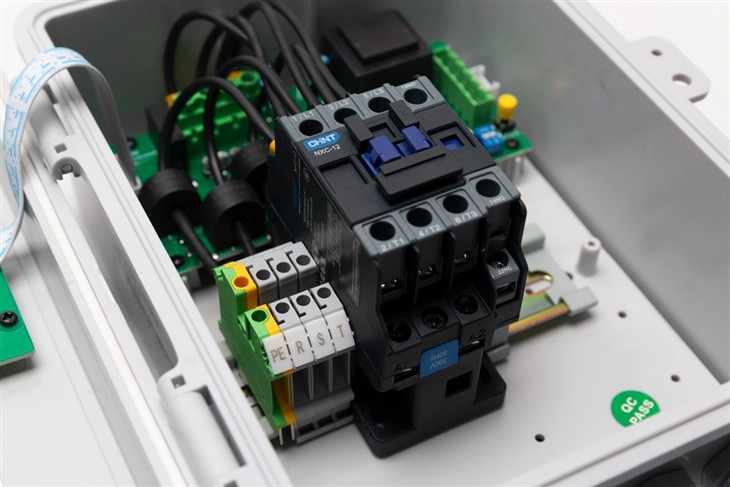
When the voltage is too high, it can lead to over - stressing of the components. The insulation on the wires can break down, and the electronic parts can get fried. On the other hand, low voltage can cause the pump to run inefficiently. The pump might not be able to generate enough pressure to move the fluid properly, and the controller might not function as intended.
You can use a voltage stabilizer to keep the voltage within the acceptable range. A voltage stabilizer will automatically adjust the voltage to make sure it stays at the right level for the controller and the pump to work correctly.
Faulty Relays
Relays are an essential part of 3 Phase Pump Controllers. They act like switches, controlling the flow of electricity to different parts of the pump and the controller. But relays can go bad over time. They can get stuck in the open or closed position, which can disrupt the normal operation of the pump.
There are a few reasons why relays might fail. One is mechanical wear and tear. Every time a relay switches on and off, there's a small amount of friction, and over thousands of cycles, this can cause the contacts to wear out. Another reason could be electrical arcing. When a relay switches, there can be a small spark, and this arcing can damage the contacts.
If you suspect a faulty relay, you'll need to test it. You can use a multimeter to check if the relay is conducting electricity properly. If it's not, you'll have to replace the relay. It's a relatively simple fix, but you need to make sure you get the right type of relay for your controller.
Wiring Issues
Wiring problems are also quite common. Loose connections can cause intermittent power loss, which can make the pump stop and start unexpectedly. Over time, the vibration from the pump can cause the wires to loosen. Also, if the wiring is not properly secured, it can rub against other parts of the equipment, which can damage the insulation and cause short - circuits.
Corrosion is another issue. If the controller is in a damp or humid environment, the wires can start to corrode. Corroded wires have a higher resistance, which means they can't carry electricity as efficiently. This can lead to overheating and other problems.
To fix wiring issues, you need to regularly inspect the wiring. Tighten any loose connections and replace any corroded wires. Make sure the wiring is properly secured and protected from physical damage.
Sensor Malfunctions
Many 3 Phase Pump Controllers use sensors to monitor things like pressure, temperature, and flow rate. These sensors are crucial for the proper operation of the pump. If a sensor malfunctions, the controller might receive incorrect information, which can lead to the pump running incorrectly.
For example, if the pressure sensor is not working properly, the controller might think the pressure is higher or lower than it actually is. This can cause the pump to run at the wrong speed or even shut down when it shouldn't.
To troubleshoot sensor problems, you need to test the sensors. You can use a calibration tool to check if the sensors are giving accurate readings. If a sensor is faulty, you'll need to replace it.
Lack of Maintenance
A lot of the problems with 3 Phase Pump Controllers can be avoided with proper maintenance. Many users neglect to clean the controller regularly. Dust and dirt can accumulate on the components, which can affect their performance. Over time, this can lead to overheating and other issues.
Also, not lubricating moving parts, like the relays, can cause them to wear out faster. And if you don't replace worn - out parts in a timely manner, small problems can turn into big ones.
You should have a regular maintenance schedule. Clean the controller at least once a month, and lubricate the moving parts as recommended by the manufacturer. Check all the components regularly for signs of wear and tear, and replace any parts that are starting to fail.
Compatibility Issues
Sometimes, the problem is that the 3 Phase Pump Controller is not compatible with the pump. Different pumps have different requirements in terms of power, voltage, and control signals. If you install a controller that's not designed for your pump, it might not work correctly.
For example, if the pump requires a certain type of control signal to start and stop, and the controller can't provide that signal, the pump won't operate as expected. Before you buy a controller, make sure it's compatible with your pump. You can check the specifications of both the pump and the controller to ensure they match.
Software Glitches (if applicable)
Some modern 3 Phase Pump Controllers have software that controls their operation. Software glitches can occur, just like with any other computer - based system. A glitch can cause the controller to behave erratically, like changing the pump speed unexpectedly or not responding to commands.
If you suspect a software glitch, you can try resetting the controller to its factory settings. This will erase any corrupted data and restore the default settings. If the problem persists, you might need to update the software to the latest version. Most manufacturers provide software updates to fix bugs and improve performance.
Conclusion
So, there you have it - some of the most common problems with 3 Phase Pump Controllers. As a supplier, I know how frustrating these issues can be for you. But with proper maintenance, troubleshooting, and the right equipment, you can keep your pump and controller running smoothly.
If you're facing any of these problems or if you're looking for a reliable 3 Phase Pump Controller, we're here to help. We offer high - quality 3 Phase Submersible Pump Control Panel, 3 Phase Well Pump Control Box, and Three Phase Submersible Pump Control Panel. Our team of experts can also provide you with technical support and advice. Don't hesitate to get in touch if you want to discuss your needs and find the best solution for your pumping system.
References
- Pump Control Handbook, Various Industry Publications
- Electrical Equipment Maintenance Guides, Manufacturer Manuals