

How to size a sewer pump control box for a specific pump?
Nov 19, 2025
When it comes to sewage systems, a properly sized sewer pump control box is crucial for the efficient and reliable operation of your pump. As a supplier of Sewer Pump Control Boxes, I understand the importance of getting the sizing right. In this blog post, I'll guide you through the process of sizing a sewer pump control box for a specific pump, ensuring that you make an informed decision for your sewage system.
Understanding the Basics of a Sewer Pump Control Box
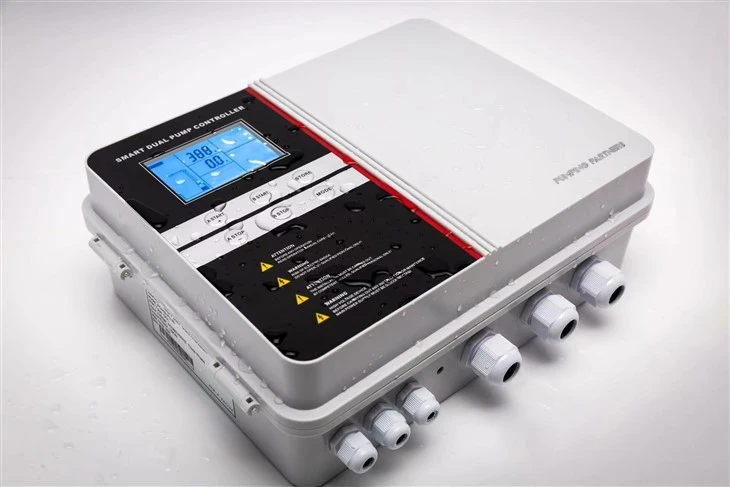
Before diving into the sizing process, it's essential to understand what a sewer pump control box does. A sewer pump control box, also known as a Sewer Control Panel, is an electrical device that manages the operation of a sewer pump. It controls the start and stop functions of the pump based on the water level in the sewage pit or basin. The control box also provides protection against overloads, short circuits, and other electrical faults, ensuring the safety and longevity of the pump.
Factors to Consider When Sizing a Sewer Pump Control Box
Several factors need to be considered when sizing a sewer pump control box for a specific pump. These factors include:
1. Pump Horsepower
The horsepower (HP) of the pump is one of the most critical factors in determining the size of the control box. The control box must be able to handle the electrical load of the pump without overheating or malfunctioning. As a general rule, the control box should be rated for at least 125% of the pump's full-load amperage (FLA). For example, if your pump has a FLA of 10 amps, the control box should be rated for at least 12.5 amps.
2. Voltage
The voltage of the pump is another important factor to consider. Sewer pumps typically operate on either 115 volts or 230 volts. The control box must be compatible with the voltage of the pump. Using a control box with the wrong voltage can damage the pump and the control box.
3. Number of Pumps
If you have multiple pumps in your sewage system, you'll need a control box that can handle the electrical load of all the pumps. The control box should be rated for the total amperage of all the pumps. For example, if you have two pumps, each with a FLA of 10 amps, the control box should be rated for at least 25 amps (12.5 amps per pump x 2 pumps).
4. Pump Type
Different types of pumps have different electrical requirements. For example, submersible pumps and pedestal pumps have different starting and running currents. The control box must be designed to handle the specific electrical characteristics of the pump.
5. Environmental Conditions
The environmental conditions in which the control box will be installed also need to be considered. If the control box will be installed in a wet or corrosive environment, it should be rated for outdoor or wet location use. The control box should also be protected against dust, dirt, and other contaminants.
Step-by-Step Guide to Sizing a Sewer Pump Control Box
Now that you understand the factors to consider, here's a step-by-step guide to sizing a sewer pump control box for a specific pump:
Step 1: Determine the Pump Horsepower and Voltage
Check the pump's nameplate or specifications to determine its horsepower and voltage. The nameplate will also provide the pump's FLA.
Step 2: Calculate the Total Amperage
If you have multiple pumps, calculate the total amperage of all the pumps. Multiply the FLA of each pump by 1.25 to account for the overload protection.

Step 3: Select a Control Box with the Appropriate Rating
Choose a control box that is rated for the total amperage and voltage of the pump(s). Make sure the control box is designed for the type of pump you have.
Step 4: Consider Additional Features
Some control boxes come with additional features, such as float switches, alarm systems, and remote monitoring capabilities. Consider these features based on your specific needs and requirements.
Example Sizing Calculation
Let's say you have a single submersible pump with a horsepower of 1 HP and a voltage of 230 volts. The pump's FLA is 6 amps.
- Calculate the overload protection: 6 amps x 1.25 = 7.5 amps
- Select a control box rated for at least 7.5 amps and 230 volts.
Importance of Proper Sizing
Properly sizing a sewer pump control box is essential for several reasons:
1. Safety
A properly sized control box provides protection against electrical faults, such as overloads and short circuits. This helps prevent electrical fires and other safety hazards.
2. Efficiency
A control box that is too small for the pump can cause the pump to overheat and malfunction. This can lead to increased energy consumption and premature pump failure. A properly sized control box ensures that the pump operates efficiently and reliably.
3. Longevity
By providing the right amount of electrical protection, a properly sized control box can extend the lifespan of the pump. This reduces the need for frequent pump replacements and saves you money in the long run.
Conclusion
Sizing a sewer pump control box for a specific pump is a critical step in ensuring the efficient and reliable operation of your sewage system. By considering factors such as pump horsepower, voltage, number of pumps, pump type, and environmental conditions, you can select the right control box for your needs. As a supplier of Sewer Pump Control Boxes and Sewage Control Panels, I'm here to help you make the right choice. If you have any questions or need assistance with sizing a control box, please don't hesitate to contact me. I'll be happy to guide you through the process and provide you with the best solution for your sewage system.
References
- "Sewer Pump Installation and Maintenance Guide." Plumbing Manufacturers International.
- "Electrical Code Handbook." National Fire Protection Association.