

How to reduce the noise of a single phase control box?
Jul 09, 2025
As a supplier of Single Phase Control Boxes, I've encountered numerous customers expressing concerns about the noise issues associated with these devices. In this blog, I'll share some effective strategies to reduce the noise of a single phase control box, drawing on my industry experience and knowledge.
Understanding the Sources of Noise in Single Phase Control Boxes
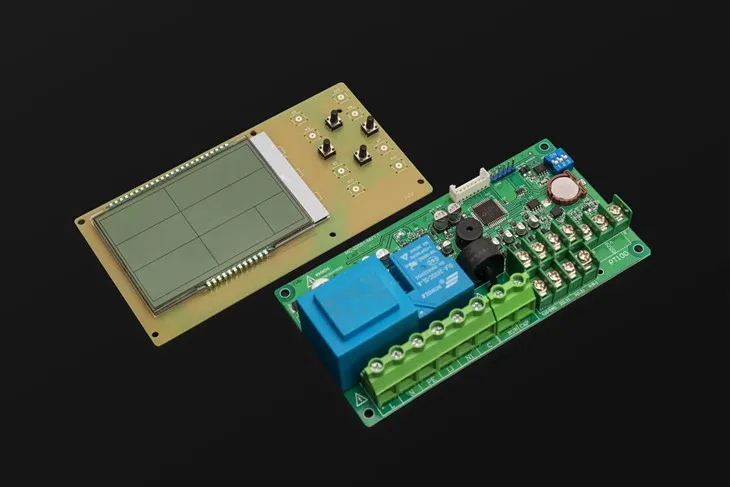
Before delving into noise reduction methods, it's crucial to understand the potential sources of noise in a single phase control box. The noise can originate from various components within the control box, such as relays, contactors, transformers, and cooling fans.
Relays and contactors produce noise when their contacts open and close. This mechanical noise is often due to the impact and vibration of the contacts. Transformers can generate a humming noise, which is typically caused by the magnetostriction effect. When an alternating current passes through the transformer's core, the magnetic field causes the core material to expand and contract, resulting in vibrations and noise. Cooling fans, if present, can also be a significant source of noise, especially if they are operating at high speeds or if the fan blades are unbalanced.
1. Select High - Quality Components
One of the most fundamental ways to reduce noise is to use high - quality components in the single phase control box. When it comes to relays and contactors, choose products with low - noise designs. Some manufacturers offer relays with silent operation features, which use special contact materials and mechanisms to minimize the impact noise during contact opening and closing.
For transformers, opt for models with low - noise cores. High - quality transformers are designed to reduce the magnetostriction effect through advanced core materials and manufacturing processes. Additionally, ensure that the transformer is properly sized for the load. An oversized or undersized transformer can operate less efficiently and generate more noise.
When selecting cooling fans, look for fans with aerodynamically designed blades and low - noise bearings. These fans are engineered to move air efficiently while producing minimal noise. You can also consider using fans with variable speed controls, which allow you to adjust the fan speed according to the actual cooling requirements. This way, the fan can run at a lower speed when the temperature is relatively low, reducing noise.
2. Proper Installation and Mounting
The way a single phase control box is installed and mounted can have a significant impact on noise levels. First, make sure the control box is securely mounted on a stable surface. A loose or vibrating control box can amplify the noise generated by its internal components. Use vibration - isolating mounts or pads to reduce the transmission of vibrations from the control box to the surrounding structure.
Inside the control box, ensure that all components are properly secured. Loose components can rattle and produce additional noise. Use appropriate fasteners and brackets to hold relays, contactors, transformers, and other parts in place. Pay special attention to the wiring. Loose or poorly routed wires can cause electromagnetic interference and mechanical noise. Route the wires neatly and tie them together to prevent them from vibrating against other components.
3. Soundproofing the Control Box
Adding soundproofing materials to the single phase control box can be an effective way to reduce noise. There are several types of soundproofing materials available, such as acoustic foams, fiberglass insulation, and mass - loaded vinyl.
Acoustic foams are lightweight and easy to install. They work by absorbing sound waves and converting the sound energy into heat. You can line the interior walls of the control box with acoustic foam to reduce the reflection of sound within the box. Fiberglass insulation is another popular choice. It has good sound - absorbing properties and can also provide some thermal insulation. However, it should be handled with care due to its potential health hazards.
Mass - loaded vinyl is a dense material that can block sound transmission. You can use it as an outer layer on the control box to prevent the noise from escaping. When applying soundproofing materials, make sure to cover all the interior surfaces of the control box, including the doors and panels.
4. Optimize Electrical Design
An optimized electrical design can also contribute to noise reduction. For example, use soft - start circuits for motors controlled by the single phase control box. A soft - start circuit gradually increases the voltage applied to the motor, reducing the inrush current and the associated mechanical stress. This can minimize the noise generated by the motor during startup.

In addition, ensure that the control box has proper grounding. A good grounding system can help reduce electromagnetic interference (EMI), which can manifest as noise. Connect all the electrical components in the control box to a common ground point and use a low - impedance grounding conductor.
5. Regular Maintenance
Regular maintenance is essential to keep the single phase control box operating quietly. Check the control box periodically for any signs of wear or damage. Replace worn - out components such as relays, contactors, and fan bearings promptly. Clean the control box to remove dust and debris, which can accumulate on the components and affect their performance.
Lubricate moving parts, if applicable, to reduce friction and noise. For example, some relays may have moving parts that can benefit from a small amount of lubrication. However, be careful not to use too much lubricant, as it can attract dust and cause other problems.
Promote Our Products
At our company, we offer a wide range of high - quality Single Phase Submersible Panel, Single Phase Submersible Control Panel and Single Phase Submersible Pump Control Panel. Our products are designed with noise reduction in mind. We use the latest technology and high - quality components to ensure quiet and reliable operation.
If you are facing noise issues with your single phase control box or are in the market for a new one, we invite you to contact us for more information. Our team of experts can provide you with professional advice and solutions tailored to your specific needs. Whether you need a standard control box or a custom - designed solution, we are here to serve you.
Conclusion
Reducing the noise of a single phase control box requires a comprehensive approach that includes component selection, proper installation, soundproofing, electrical design optimization, and regular maintenance. By implementing these strategies, you can significantly reduce the noise levels of your control box, creating a more comfortable and quiet working environment. If you have any questions or need further assistance, please don't hesitate to reach out to us. We look forward to helping you with your single phase control box needs.
References
- Grover, I. C. (2014). Electric Power Generation, Transmission, and Distribution. CRC Press.
- Dorf, R. C., & Bishop, R. H. (2011). Modern Control Systems. Pearson.
- Alexander, C. K., & Sadiku, M. N. O. (2016). Fundamentals of Electric Circuits. McGraw - Hill Education.