

How to connect a 3 Phase Pump Controller to a VFD?
Sep 08, 2025
Hey there! As a supplier of 3 Phase Pump Controllers, I've seen a lot of folks scratching their heads when it comes to connecting these controllers to a Variable Frequency Drive (VFD). It might seem like a daunting task, but trust me, with the right guidance, it's not as complicated as it sounds. So, let's dive right in and break down the process step by step.
Understanding the Basics
Before we start connecting anything, it's crucial to understand what a 3 Phase Pump Controller and a VFD are and what they do. A 3 Phase Pump Controller is designed to manage the operation of a three - phase pump. It can control the start and stop of the pump, protect it from overloads, and ensure it operates within safe parameters. On the other hand, a VFD is a device that controls the speed of an electric motor by varying the frequency and voltage supplied to it. By connecting a 3 Phase Pump Controller to a VFD, you can have more precise control over your pump's operation, which can lead to energy savings and better performance.
Pre - connection Checks
First things first, safety is always the top priority. Make sure that the power supply to both the pump controller and the VFD is turned off. This will prevent any electrical shocks or damage to the equipment. Next, take a good look at your 3 Phase Pump Controller and VFD. Check for any visible damage, such as cracked casings or loose wires. If you notice any issues, it's best to replace or repair the components before proceeding.
You'll also want to check the specifications of both the pump controller and the VFD. Ensure that they are compatible in terms of voltage, current, and frequency ratings. For example, if your pump controller is rated for 480V and your VFD is only designed for 230V, you're going to run into problems.
Gathering the Necessary Tools
To connect the 3 Phase Pump Controller to the VFD, you'll need a few tools. A screwdriver is essential for removing and installing covers and making electrical connections. A wire stripper will come in handy for preparing the wires. And a multimeter is useful for testing the electrical connections and ensuring that everything is working as it should.
Making the Electrical Connections
Now, let's get to the actual connection process. Start by identifying the input and output terminals on both the 3 Phase Pump Controller and the VFD. The input terminals on the VFD are where you'll connect the power supply, while the output terminals are where you'll connect the pump. The 3 Phase Pump Controller will have its own set of input and output terminals for controlling the pump and communicating with the VFD.
Connect the power supply to the input terminals of the VFD. Make sure to follow the wiring diagram provided with the VFD to ensure that the phases are connected correctly. Usually, the power supply wires are color - coded, which can help you make the right connections. For example, in many systems, the black wire is for phase 1, the red wire is for phase 2, and the blue wire is for phase 3.
Next, connect the output terminals of the VFD to the input terminals of the 3 Phase Pump Controller. Again, refer to the wiring diagrams to ensure that the connections are made correctly. The wires should be securely tightened to prevent any loose connections, which can lead to overheating and electrical failures.
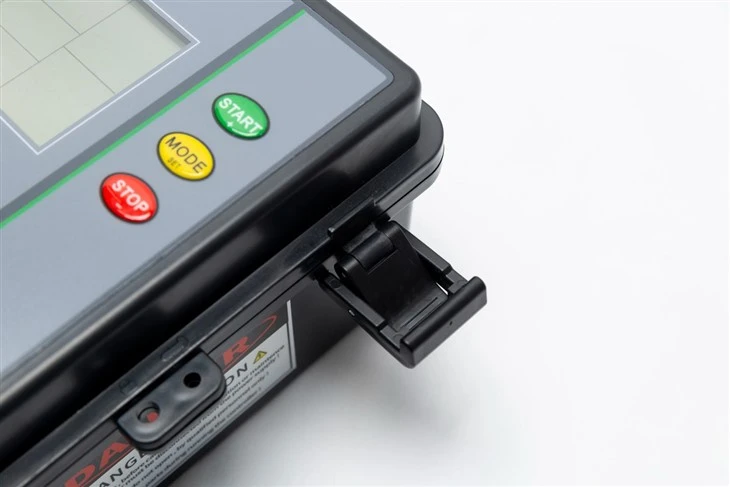

Once the connections between the VFD and the 3 Phase Pump Controller are made, connect the output terminals of the 3 Phase Pump Controller to the pump. Make sure that the pump is properly grounded to prevent electrical hazards.
Configuring the VFD and the Pump Controller
After making the electrical connections, it's time to configure the VFD and the 3 Phase Pump Controller. The VFD will need to be programmed to match the specifications of the pump and the application. This includes setting the maximum and minimum speed, the acceleration and deceleration times, and the operating frequency.
The 3 Phase Pump Controller also needs to be configured. You'll need to set the parameters for the pump's start and stop conditions, such as the pressure or level at which the pump should start and stop. You can usually do this by using the control panel on the pump controller.
Testing the Connection
Once you've completed the configuration, it's time to test the connection. Turn on the power supply to the VFD and the 3 Phase Pump Controller. Monitor the operation of the pump to ensure that it starts and stops correctly and that it operates at the desired speed. Use a multimeter to check the voltage and current at various points in the system to make sure that everything is within the normal range.
If you encounter any issues during the testing process, don't panic. Check the connections again to make sure that everything is secure. Refer to the user manuals of the VFD and the 3 Phase Pump Controller for troubleshooting tips.
Benefits of Connecting a 3 Phase Pump Controller to a VFD
By connecting a 3 Phase Pump Controller to a VFD, you can enjoy several benefits. One of the main advantages is energy savings. Since the VFD allows you to control the speed of the pump, you can adjust it according to the actual demand. This means that the pump doesn't have to run at full speed all the time, which can result in significant energy savings over time.
Another benefit is improved pump performance. With more precise control over the pump's operation, you can reduce wear and tear on the pump components, which can extend the lifespan of the pump. You can also avoid issues such as water hammer, which can damage the pipes and the pump.
Where to Find Quality 3 Phase Pump Controllers
If you're in the market for a 3 Phase Pump Controller, we've got you covered. We offer a wide range of high - quality 3 Phase Control Panel for Submersible Pump, 3 Phase Pump Control Panel, and 3 Phase Submersible Pump Control Panel. Our products are designed to meet the needs of various applications and are built to last.
Conclusion
Connecting a 3 Phase Pump Controller to a VFD might seem like a complex task, but with the right knowledge and tools, it's definitely doable. By following the steps outlined in this blog, you can ensure a successful connection and enjoy the benefits of better pump control. If you have any questions or need further assistance, don't hesitate to reach out. We're here to help you make the most of your pumping system. Whether you're a professional installer or a DIY enthusiast, we're confident that our products will meet your needs. So, if you're looking to upgrade your pump control system, consider connecting a 3 Phase Pump Controller to a VFD. And if you're interested in purchasing a 3 Phase Pump Controller, we're just a message away. Let's start a conversation about your specific requirements and see how we can help you achieve the best results for your pumping application.
References
- Electrical Installation Handbook, Schneider Electric
- Variable Frequency Drives: Principles, Operation, and Application, David G. Dorrell