

How to choose the right sewage pump control panel?
Jan 09, 2026
Picking the perfect sewage pump control panel ain't no walk in the park. But don't you worry, as a supplier of these control panels, I've got the low - down on what you need to know. Let's dive right in and figure out how to make the right choice for your sewage pumping needs.
Understanding What You Need
The very first step is to understand the complexity of your sewage system. If you're dealing with a small residential setup, your requirements will be way different from a large industrial or commercial one.
For small homes, a basic Sewage Control Panel might do the job. These are usually simple, easy - to - use, and cost - effective. They're designed to handle the relatively low volume of sewage that comes from a single - family home.
But if you're looking at a commercial building, like an apartment complex or a shopping mall, you're gonna need a more robust system. These places generate a lot more sewage, and you'll probably need a Sewer Pump Station Control Panel that can manage multiple pumps and handle a higher flow rate.
Capacity and Power Requirements
Figuring out the capacity and power requirements of your sewage pump control panel is crucial. You need to know how much sewage your system is expected to move and how often.
Look at the flow rate of the sewage. This is measured in gallons per minute (GPM). The higher the GPM, the more powerful the control panel and pumps you'll need. Calculate the peak flow rate – that's the maximum amount of sewage your system is likely to handle at any given time.
You also have to consider the horsepower of the pumps. A higher - horsepower pump can move more sewage, but it will also require a control panel that can handle the increased electrical load. Make sure to consult with an expert or an engineer if you're not confident in your calculations.
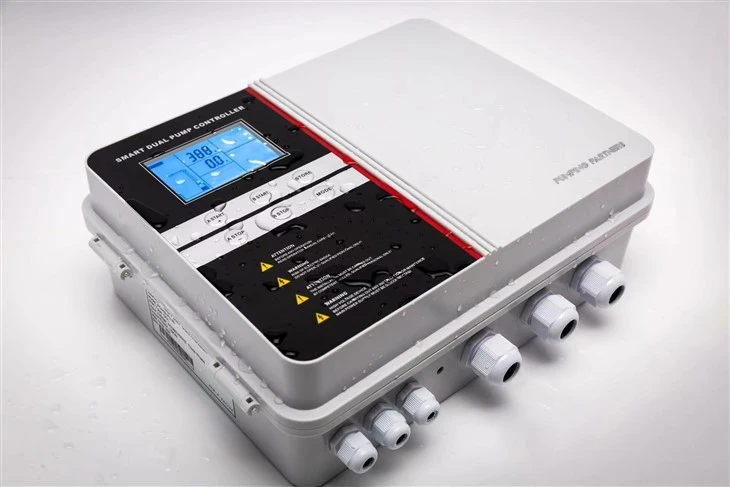

Durability and Build Quality
Sewage systems are no joke. They're often exposed to harsh environments – wet, dirty, and full of corrosive substances. So, you need a control panel that can withstand these conditions.
Look for a control panel made from high - quality materials. Stainless steel is a great choice because it's resistant to corrosion. The enclosure should be well - sealed to prevent water and dirt from getting inside and damaging the electrical components.
Moreover, check the ratings of the control panel. Things like NEMA (National Electrical Manufacturers Association) ratings can tell you a lot about how well the panel can handle different environmental conditions. A higher NEMA rating usually means better protection.
Features and Functionality
The right sewage pump control panel should have a set of features that match your needs.
One important feature is the ability to detect and respond to pump failures. A good control panel will alert you when a pump isn't working properly, either through an indicator light or a remote notification system. This way, you can quickly address the issue and avoid major problems.
Automatic alternation is another neat feature. It allows the control panel to switch between multiple pumps, ensuring that they all wear evenly and last longer. This is especially useful in systems with two or more pumps.
Some advanced control panels also come with monitoring and diagnostic capabilities. You can connect them to a computer or a mobile device and get real - time information about the operation of your sewage system. You can check things like pump status, flow rate, and energy consumption.
Compatibility and Integration
Your sewage pump control panel needs to be compatible with your existing sewage pumps and other equipment. It should be able to work seamlessly with the electrical system in your building.
When you're choosing a control panel, make sure to check the voltage requirements. It should match the voltage of your pumps and the power supply in your building. Also, consider the communication interfaces. If you're planning to integrate the control panel with other systems, like a building management system, it should have the appropriate interfaces.
Cost and Budget
Of course, cost is always a factor. You want to get the best value for your money. But don't just go for the cheapest option. Sometimes, low - cost control panels may not have the features or the durability you need.
Get quotes from different suppliers. Compare the prices, but also look at what you're getting for your money. Consider the long - term costs as well. A more expensive control panel that's durable and energy - efficient may save you money in the long run.
Ease of Use and Maintenance
You don't want a control panel that's so complicated that only a rocket scientist can operate it. Look for a panel that has an intuitive interface and clear instructions.
Maintenance is also important. The control panel should be easy to access and service. Components should be replaceable without too much hassle. Regular maintenance can extend the life of your control panel and keep your sewage system running smoothly.
Reputation of the Supplier
As a supplier myself, I know how important it is to have a good reputation. When you're choosing a sewage pump control panel, look for a supplier with a track record of providing quality products and good customer service.
Read reviews from other customers. Check if the supplier offers warranties and after - sales support. A reliable supplier will stand behind their products and help you if you run into any problems.
Making the Decision
Once you've considered all these factors, it's time to make a decision. Don't rush it. Take your time to weigh the pros and cons of different options.
If you're still not sure, you can always consult with a professional. An engineer or a sewage system expert can give you personalized advice based on your specific situation.
Let's Talk
If you're in the market for a sewage pump control panel, I'd love to talk to you. As a supplier, I can offer you a wide range of Sewer Pump Control Panel options that meet your needs and budget. Don't hesitate to reach out and start the conversation. Let's work together to find the perfect solution for your sewage pumping needs.
References
- "Sewage Pumping Systems Handbook", a comprehensive guide on sewage systems and control panels.
- "Electrical Standards for Industrial Sewage Equipment", a publication that outlines the electrical requirements for sewage pump control panels.
- Industry reports from leading sewage system manufacturers on the latest trends in control panel technology.