

How often should I maintain a 2 Pump Control Box?
Dec 18, 2025
How often should I maintain a 2 Pump Control Box?
As a supplier of 2 Pump Control Boxes, I often receive inquiries from customers regarding the maintenance frequency of these essential devices. A 2 Pump Control Box, which is crucial for managing the operation of two pumps, requires regular maintenance to ensure its optimal performance, reliability, and longevity. In this blog post, I'll delve into the factors that influence the maintenance schedule and provide some general guidelines to help you keep your 2 Pump Control Box in top - notch condition.
Factors Affecting Maintenance Frequency
1. Operating Environment
The operating environment of a 2 Pump Control Box plays a significant role in determining how often it needs maintenance. If the control box is installed in a harsh environment, such as near a chemical plant where it is exposed to corrosive gases and chemicals, or in a dusty industrial setting, it will need more frequent maintenance. Corrosive substances can damage the electrical components, and dust can accumulate on circuit boards, causing overheating and malfunction.

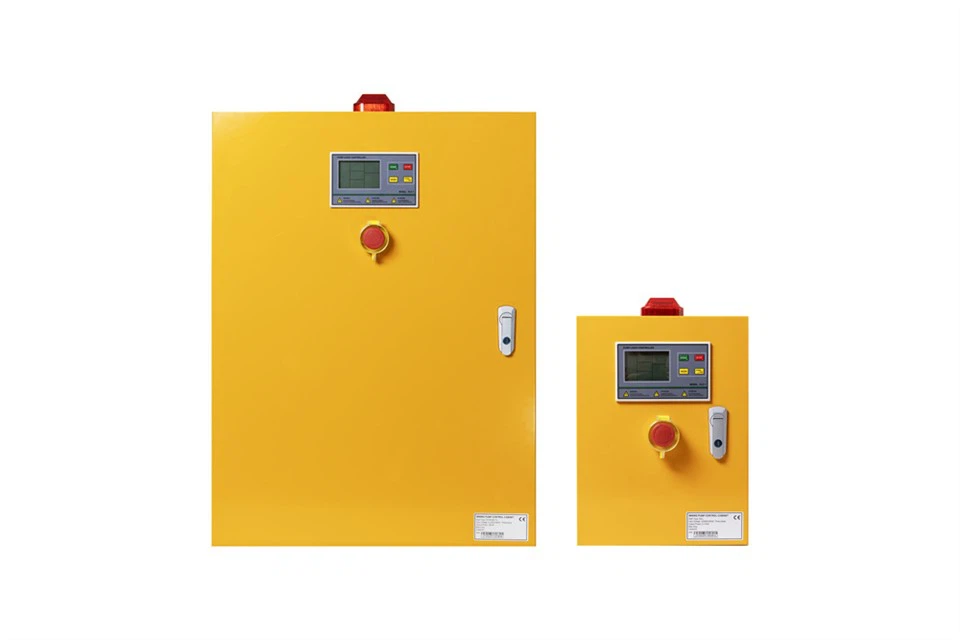
On the other hand, if the control box is installed in a clean, dry, and temperature - controlled environment, such as an office or a well - maintained indoor facility, the maintenance interval can be relatively longer. For example, a control box installed in a chemical processing plant may require maintenance every three to six months, while one in a mild office environment could potentially go a year or more between major maintenance checks.
2. Usage Intensity
The frequency and duration of use also impact the maintenance schedule. If the pumps controlled by the box are running continuously or for long hours each day, the control box will experience more wear and tear. Components like relays, switches, and circuit breakers are subject to mechanical stress and electrical arcing during frequent operation.
For instance, in a water treatment plant where the pumps operate 24/7 to supply clean water to a large community, the 2 Pump Control Box should be inspected and maintained every three to four months. In contrast, a control box used for an occasional water transfer task in a small garden or a backup pumping system that rarely runs may only need maintenance once a year or even less frequently.
3. Quality of Components
The quality of the components used in the 2 Pump Control Box is another crucial factor. High - quality control boxes with premium components are generally more reliable and durable, and they may require less frequent maintenance. These components are designed to withstand higher levels of stress, have better resistance to environmental factors, and are less likely to fail prematurely.
When you invest in a Duplex Digital Pump Controller or a Duplex Intelligent Pump Control Panel from a reputable manufacturer, you can typically expect a longer maintenance interval compared to a lower - quality counterpart. However, even high - quality control boxes need regular checks to ensure that all components are functioning as intended.
General Maintenance Guidelines
1. Daily Checks
Even though a full - scale maintenance doesn't need to be done daily, some basic visual checks can be performed on a daily basis. These include inspecting the control box for any signs of physical damage, such as cracks in the enclosure or loose connections. Check the indicator lights to ensure that they are displaying the correct status of the pumps. If any abnormal conditions are detected, such as a pump not starting or an indicator light malfunctioning, immediate action should be taken to diagnose and resolve the issue.
2. Monthly Inspections
Monthly inspections should be more comprehensive. Clean the exterior of the control box to remove any dust or debris that may have accumulated. Check all electrical connections for tightness. Loose connections can cause overheating, which is a major cause of electrical failures. Inspect the circuit breakers and fuses to ensure that they are not tripped or blown. If a circuit breaker has tripped, identify and address the root cause before resetting it.
Also, during monthly inspections, check the functionality of the control switches and relays. You can test the switches by operating them manually and observing the response of the pumps. Listen for any unusual noises coming from the control box, as this could indicate a mechanical problem with a relay or other moving parts.
3. Quarterly Maintenance
Quarterly maintenance involves more in - depth checks. Inspect the internal components of the control box, such as the printed circuit boards. Look for any signs of corrosion, burned components, or moisture. If moisture is detected, identify the source and take steps to prevent further ingress.
Test the sensors and probes associated with the pump control. These sensors are responsible for monitoring parameters such as water level, pressure, and flow rate. Calibrate the sensors if necessary to ensure accurate readings. This is especially important for maintaining the proper operation of the pumps and preventing over - or under - pumping.
4. Annual Maintenance
Once a year, a thorough maintenance service should be carried out. This includes a complete cleaning of the interior components using appropriate cleaning agents. Replace any worn - out or damaged components, such as relays, switches, and capacitors. Lubricate any moving parts according to the manufacturer's recommendations.
Perform a comprehensive electrical safety check, including measuring the insulation resistance of the wiring. This helps to identify any potential electrical hazards and ensures the safety of the operators. Update the firmware of the control box if applicable, as manufacturers often release updates to improve performance and add new features.
Importance of Regular Maintenance
Regular maintenance of a 2 Pump Control Box offers several benefits. Firstly, it enhances the reliability of the pump system. A well - maintained control box is less likely to malfunction, which reduces the risk of pump failures and downtime. This is crucial in applications where continuous pumping is essential, such as in water supply systems or industrial processes.
Secondly, regular maintenance can extend the lifespan of the control box. By identifying and addressing minor issues early, you can prevent them from developing into major problems that could require costly repairs or replacements. This helps to maximize your investment in the control box.
Finally, maintaining the control box in good condition ensures the safety of the operators. Electrical malfunctions in a control box can pose serious safety risks, including electrical shocks and fires. Regular inspections and maintenance help to identify and eliminate these hazards.
Contact for Purchasing and Maintenance Consultation
If you are in the market for a high - quality Duplx Intelligent Pump Control Box or need more information on the maintenance of your existing 2 Pump Control Box, we are here to assist you. Our team of experts can provide you with detailed product information, customized maintenance plans, and professional advice. Don't hesitate to reach out to us for a consultation. We are committed to helping you make the most of your pump control system.
References
- Electrical Equipment Maintenance Handbook, Third Edition.
- Pump Systems Matter: Best Practices for Pumping System Optimization.
- Manufacturer's manuals for 2 Pump Control Boxes.