

How does a sewer control panel respond to changes in sewer pressure?
May 28, 2025
Hey there! I'm a supplier of sewer control panels, and today I wanna chat about how these nifty devices respond to changes in sewer pressure. It's a topic that might not seem super exciting at first glance, but trust me, it's crucial for keeping our sewer systems running smoothly.
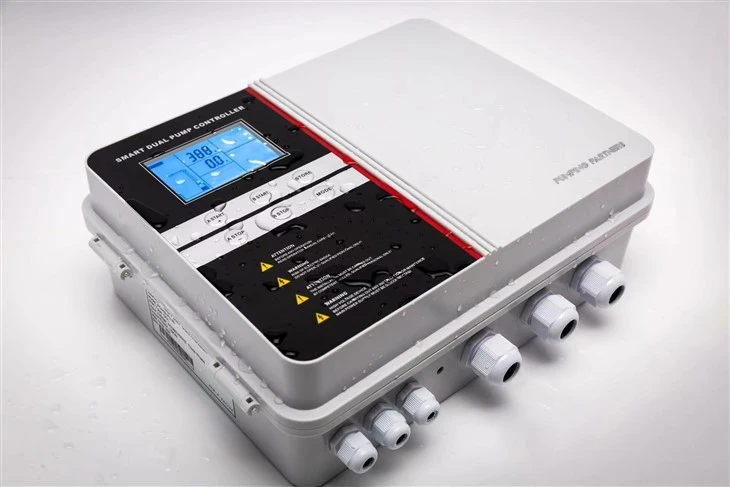
Let's start with the basics. A sewer control panel is like the brain of a sewer system. It's responsible for monitoring and controlling various aspects of the sewer operation, including the pumps, valves, and alarms. When it comes to sewer pressure, the control panel plays a vital role in ensuring that everything stays within the safe and efficient operating range.
So, how does it actually work? Well, the control panel is equipped with pressure sensors that constantly measure the pressure inside the sewer pipes. These sensors are like little detectives, always on the lookout for any changes in pressure. When a change is detected, the sensor sends a signal to the control panel, which then takes appropriate action.
One of the most common responses to a change in sewer pressure is to adjust the speed of the pumps. If the pressure is too low, the control panel might increase the pump speed to boost the flow of sewage through the pipes. On the other hand, if the pressure is too high, the panel might slow down the pumps to prevent damage to the pipes or other components of the system.
Another way the control panel responds to pressure changes is by opening or closing valves. Valves are like gates in the sewer system, and they can be used to regulate the flow of sewage. For example, if the pressure is building up in a particular section of the pipes, the control panel might open a valve to relieve the pressure and divert the flow to another part of the system.
In addition to adjusting the pumps and valves, the control panel can also trigger alarms when the pressure reaches a critical level. These alarms are like warning signals that alert the operators to potential problems in the sewer system. Depending on the severity of the situation, the alarms can be set to sound locally or be sent to a central monitoring station.
Now, let's talk about some of the factors that can cause changes in sewer pressure. One of the most common causes is blockages in the pipes. When a blockage occurs, it restricts the flow of sewage, which can lead to an increase in pressure upstream of the blockage. The control panel can detect this increase in pressure and take steps to address the blockage, such as activating a backup pump or sending an alert to the maintenance team.
Another factor that can affect sewer pressure is changes in the volume of sewage flowing through the pipes. For example, during heavy rainfall or a large event, the volume of sewage can increase significantly, putting additional stress on the system. The control panel can adjust the pumps and valves to accommodate the increased flow and prevent overflow or other problems.
Temperature can also play a role in sewer pressure. In cold weather, the pipes can contract, which can cause the pressure to increase. The control panel can monitor the temperature and make adjustments to the system as needed to ensure that the pressure stays within the safe range.
As a supplier of Sewer Pump Station Control Panel, Sewage Control Panel, and Sewer Pump Control Box, I understand the importance of providing high-quality control panels that can effectively respond to changes in sewer pressure. Our control panels are designed with the latest technology and features to ensure reliable and efficient operation.
For instance, our panels are equipped with advanced pressure sensors that provide accurate and real-time data on the sewer pressure. This allows the control panel to make precise adjustments to the pumps and valves, ensuring that the system operates at optimal performance.
We also offer customizable control panels that can be tailored to meet the specific needs of different sewer systems. Whether you have a small residential sewer system or a large industrial one, we can provide a control panel that is designed to work seamlessly with your system.
In addition to our high-quality products, we also provide excellent customer support. Our team of experts is available to answer any questions you might have about our control panels and to provide technical assistance if needed. We believe that providing exceptional customer service is just as important as providing high-quality products.
If you're in the market for a sewer control panel, I encourage you to consider our products. We offer a wide range of control panels at competitive prices, and we're confident that we can provide you with a solution that meets your needs. Whether you're looking for a simple control panel for a small sewer system or a more advanced one for a large industrial application, we have the expertise and the products to help you.
So, if you're interested in learning more about our sewer control panels or if you have any questions about how they respond to changes in sewer pressure, don't hesitate to get in touch. You can reach out to us to discuss your requirements and to start the process of finding the perfect control panel for your sewer system.
In conclusion, sewer control panels are essential for maintaining the safety and efficiency of sewer systems. By monitoring and responding to changes in sewer pressure, these panels help to prevent blockages, overflow, and other problems that can cause significant damage and disruption. As a supplier of high-quality sewer control panels, I'm committed to providing our customers with the best products and services to ensure the smooth operation of their sewer systems.
References

- Water Environment Federation. (2023). Sewer System Management Manual.
- American Society of Civil Engineers. (2022). Guidelines for Sewer System Design and Construction.