

What is the maximum humidity a single phase motor protector can withstand?
May 29, 2025
As a supplier of Single Phase Motor Protectors, one of the most common questions I encounter from customers is about the maximum humidity these devices can withstand. Understanding this parameter is crucial for ensuring the long - term performance and reliability of the motor protectors in various operating environments.
The Significance of Humidity Resistance in Single Phase Motor Protectors
Single phase motor protectors play a vital role in safeguarding motors from over - current, over - voltage, under - voltage, and other electrical faults. In real - world applications, these protectors are often installed in environments where humidity levels can vary significantly. High humidity can lead to a series of problems such as corrosion of electrical components, short - circuits, and reduced insulation resistance. Therefore, the ability of a single phase motor protector to resist high humidity is directly related to its service life and protection effectiveness.
Factors Affecting the Maximum Humidity Tolerance
Several factors contribute to determining the maximum humidity a single phase motor protector can withstand.
Material Selection
The materials used in the construction of the motor protector are of primary importance. For example, the circuit boards are usually coated with a protective layer to prevent moisture ingress. High - quality epoxy or conformal coatings can provide excellent protection against humidity. Components such as resistors, capacitors, and relays also need to be made of materials that are resistant to corrosion. Some modern motor protectors use stainless - steel or plated metals for connectors and enclosures to enhance their moisture resistance.
Enclosure Design
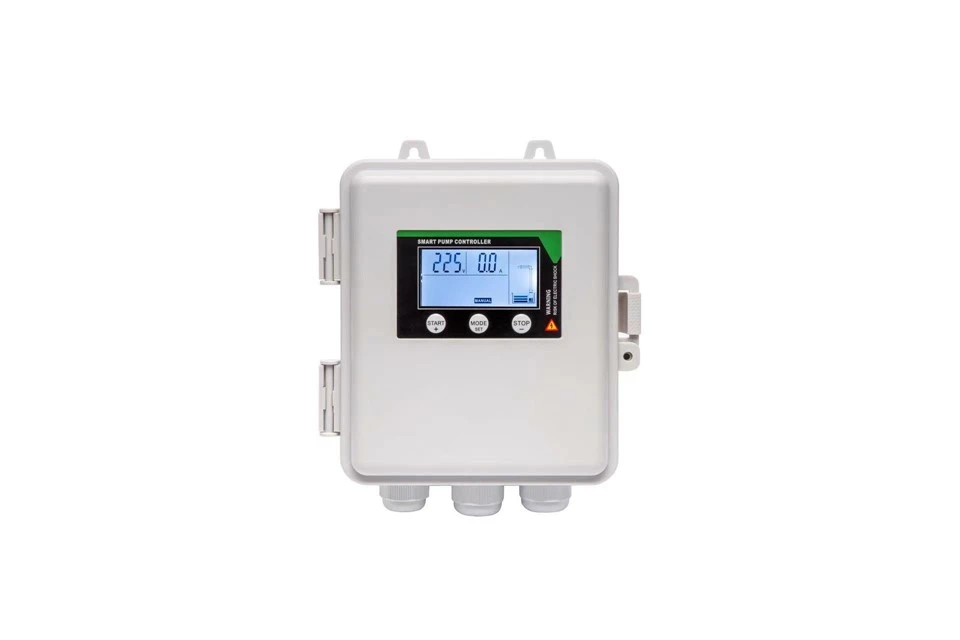
The design of the enclosure is another key factor. A well - sealed enclosure can prevent water vapor from entering the internal components of the motor protector. Many of our Single Phase Motor Protector Box products are designed with tight - fitting gaskets and robust enclosures. These enclosures are often rated according to international standards such as IP (Ingress Protection) ratings. For example, an IP65 - rated enclosure means that the motor protector is dust - tight and protected against low - pressure water jets from any direction.
Ventilation and Drainage
Proper ventilation and drainage are essential in high - humidity environments. Some motor protectors are designed with ventilation holes that allow air circulation, which helps to reduce the internal humidity. At the same time, drainage channels are provided to remove any condensed water. This combination of ventilation and drainage can effectively prevent the accumulation of moisture inside the protector.
Typical Maximum Humidity Ratings
In general, most high - quality single phase motor protectors can withstand a relative humidity of up to 95% without significant degradation in performance. However, this figure can vary depending on the specific model and its intended application. For example, our 1 Phase Motor Protector series is designed to operate reliably in environments with a relative humidity ranging from 5% to 95% (non - condensing). When the humidity reaches the saturation point and condensation occurs, the risk of electrical failures increases significantly. Therefore, it is important to ensure that the motor protector is installed in a location where condensation is minimized.
Testing and Certification
To ensure the reliability of our single phase motor protectors in high - humidity environments, we conduct a series of rigorous tests. These tests include humidity chamber tests, where the protectors are exposed to different levels of humidity for extended periods. We also test the protectors under simulated real - world conditions, such as in industrial workshops or outdoor installations.
In addition to in - house testing, our products are often certified by independent testing agencies. Certifications such as UL (Underwriters Laboratories) and CE (Conformité Européene) indicate that the motor protectors meet international standards for safety and performance, including humidity resistance.

Application Considerations
When selecting a single phase motor protector for a specific application, it is important to consider the actual humidity conditions of the operating environment. For indoor applications in relatively dry environments, a standard motor protector may be sufficient. However, for outdoor applications or in environments with high humidity, such as near water bodies or in tropical regions, a motor protector with a higher humidity tolerance and better sealing is recommended.
It is also important to note that the maximum humidity tolerance is often specified under certain temperature conditions. High temperatures can exacerbate the effects of humidity, so it is necessary to consider the combined effects of temperature and humidity when evaluating the suitability of a motor protector.
Mitigating High - Humidity Risks
Even if a motor protector has a high humidity tolerance, additional measures can be taken to further reduce the risks associated with high humidity. For example, installing a dehumidifier in the vicinity of the motor protector can help to maintain a lower humidity level. Regular maintenance, such as cleaning the enclosure and checking for signs of corrosion, is also essential.
Conclusion
The maximum humidity a single phase motor protector can withstand is a critical parameter that depends on various factors such as material selection, enclosure design, and ventilation. Most high - quality protectors can handle a relative humidity of up to 95% under non - condensing conditions. However, it is important to carefully consider the specific application requirements and take appropriate measures to mitigate the risks associated with high humidity.
If you are in the market for a reliable single phase motor protector, we are here to help. Our extensive range of products is designed to meet the diverse needs of different applications, including those in high - humidity environments. Feel free to contact us for more information and to discuss your specific requirements. We look forward to the opportunity to work with you and provide you with the best motor protection solutions.
References
- International Electrotechnical Commission (IEC) standards on electrical equipment in humid environments.
- Underwriters Laboratories (UL) standards for motor protection devices.
- Technical literature on materials and design considerations for humidity - resistant electrical components.