

What is the maintenance cycle of a single phase motor protector?
Aug 29, 2025
Hey there! As a supplier of single - phase motor protectors, I often get asked about the maintenance cycle of these nifty devices. So, I thought I'd sit down and write this blog to share everything you need to know.
First off, let's understand why maintenance is so crucial for single - phase motor protectors. These protectors are like the guardians of your single - phase motors. They safeguard the motors from over - current, over - voltage, under - voltage, and other electrical issues that could lead to motor damage or even failure. Without proper maintenance, their performance can degrade over time, leaving your motors vulnerable.
Now, what exactly is the maintenance cycle? Well, it's not a one - size - fits - all answer. The maintenance cycle of a single - phase motor protector can vary depending on several factors.
One of the key factors is the operating environment. If the protector is installed in a clean, dry, and well - ventilated area, it can generally go longer between maintenance checks. However, if it's in a harsh environment, like a factory with a lot of dust, moisture, or chemical fumes, the maintenance cycle needs to be shorter. For instance, in a clean office setting, you might be able to get away with a maintenance check every 12 months. But in a dusty industrial workshop, you should probably check it every 3 to 6 months.
The frequency of use also plays a big role. If the single - phase motor protector is used continuously, it will experience more wear and tear compared to one that's used only occasionally. A protector that runs 24/7 will likely need more frequent maintenance. In such cases, a quarterly inspection might be a good idea. On the other hand, if it's used just a few hours a week, an annual check could be sufficient.
Let's talk about what a typical maintenance check involves. First, you'll want to visually inspect the protector. Look for any signs of physical damage, like cracks in the casing or loose connections. A damaged casing can expose the internal components to dust and moisture, while loose connections can lead to poor electrical conductivity and overheating.
Next, check the electrical parameters. Use a multimeter to measure the voltage, current, and resistance. Make sure these values are within the normal range specified by the manufacturer. If you notice any significant deviations, it could be a sign of a problem.
Cleaning is also an important part of maintenance. Over time, dust and dirt can accumulate on the protector, which can affect its performance. Use a soft, dry cloth to gently wipe the exterior. If there's a lot of dirt, you can use a small brush to clean the hard - to - reach areas. But be careful not to damage any of the components.
Now, let's touch on the importance of using high - quality single - phase motor protectors. At our company, we offer top - notch 1 Phase Motor Protector that are built to last. Our protectors are designed with advanced technology to provide reliable protection for your motors. They're also easy to install and maintain, which can save you time and money in the long run.

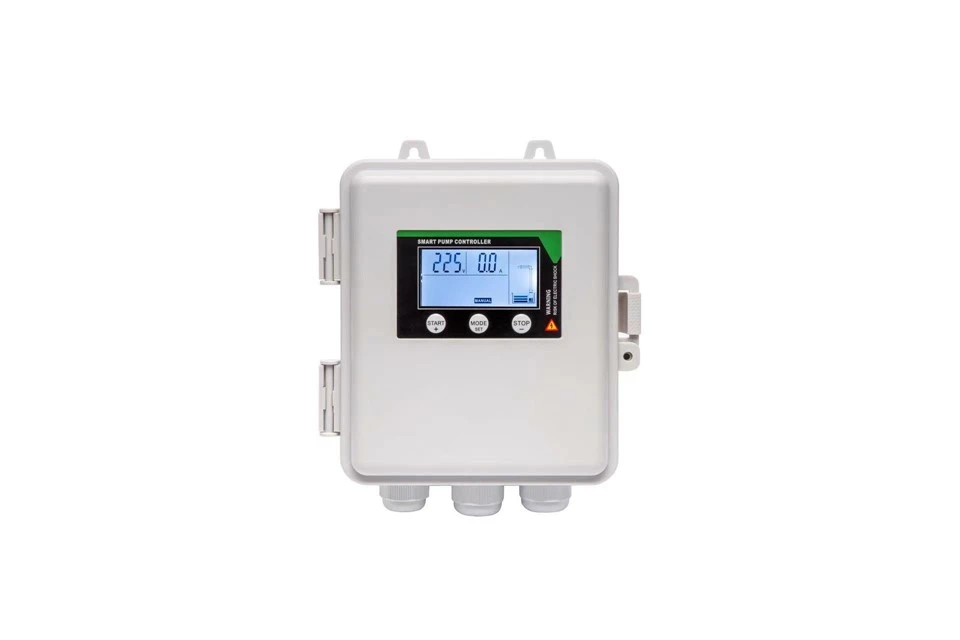
Another great product we have is the Single Phase Motor Protector Box. This box provides an extra layer of protection for the protector itself. It's made of durable materials that can withstand harsh environments, keeping your protector safe from dust, moisture, and physical damage.
So, how do you determine the best maintenance cycle for your specific single - phase motor protector? I recommend starting with the manufacturer's guidelines. They usually provide a recommended maintenance schedule based on normal operating conditions. But remember, you need to adjust this schedule according to your actual usage and environment.
If you're still not sure, don't hesitate to reach out to us. We have a team of experts who can help you figure out the ideal maintenance cycle for your situation. We can also provide you with tips on how to perform the maintenance checks properly.
In conclusion, the maintenance cycle of a single - phase motor protector is not set in stone. It depends on factors like the operating environment and frequency of use. By following a regular maintenance schedule and using high - quality products, you can ensure that your single - phase motor protector works effectively and protects your motors for years to come.
If you're interested in purchasing single - phase motor protectors or need more information about maintenance, feel free to get in touch with us. We're always here to help you make the right decisions for your motor protection needs.
References
- Electrical Engineering Handbook: General knowledge about motor protection and maintenance.
- Manufacturer's manuals for single - phase motor protectors.