

What is the difference between single phase and three - phase motor protectors?
Jun 26, 2025
Hey there! As a supplier of Single Phase Motor Protectors, I've often been asked about the differences between single-phase and three-phase motor protectors. So, let's dive right in and break it down in a way that's easy to understand.

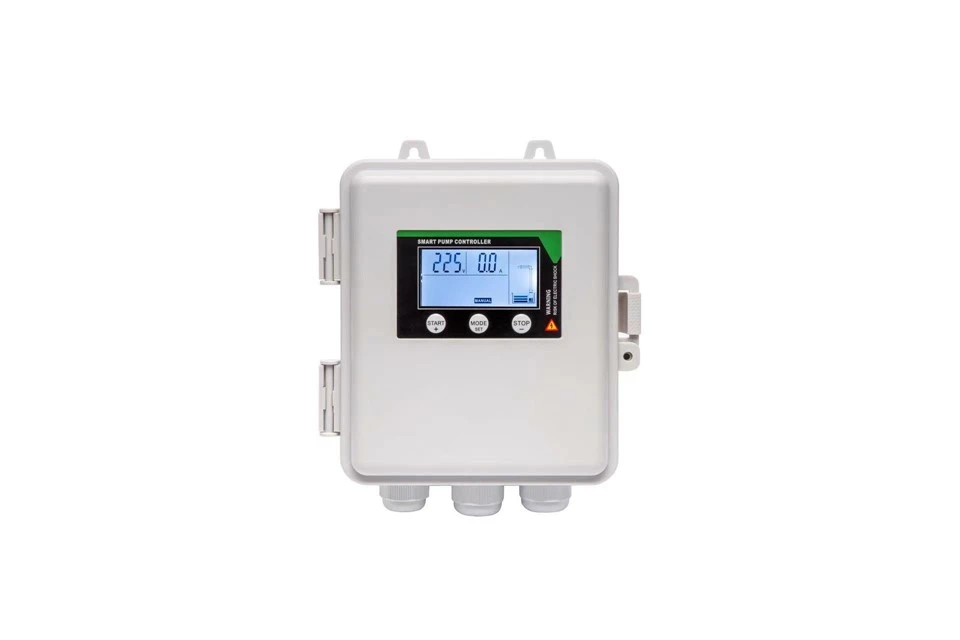
First off, let's talk about single-phase motors. These are the ones you'll commonly find in smaller appliances and equipment, like your household fans, small pumps, and some power tools. They operate on a single alternating current (AC) power supply. On the other hand, three-phase motors are used in larger industrial applications, such as factories, big machinery, and commercial HVAC systems. They run on three separate AC power supplies that are out of phase with each other.
Now, let's get into the motor protectors. A motor protector is like a bodyguard for your motor. Its main job is to prevent the motor from getting damaged due to various issues like overcurrent, overheating, and short circuits.
Construction and Design
Single-phase motor protectors are generally simpler in design. They're built to handle the relatively lower power requirements of single-phase motors. Since single-phase motors usually have a smaller power rating, the protectors don't need to be as robust as their three-phase counterparts. They often come in more compact sizes, making them ideal for use in small appliances where space is limited. For example, you can check out our 1 Phase Motor Protector which is designed with simplicity and efficiency in mind.
Three-phase motor protectors, however, are more complex. They need to monitor three separate power phases simultaneously. This means they have more sophisticated circuitry and components. They're also built to handle much higher currents and power levels. The physical size of three-phase motor protectors is usually larger because they need to dissipate more heat generated by the higher power operation.
Protection Features
Both single-phase and three-phase motor protectors offer protection against overcurrent. Overcurrent occurs when the current flowing through the motor exceeds its rated value. This can happen due to a mechanical overload on the motor, like a jammed fan blade or a blocked pump. Single-phase motor protectors detect overcurrent by measuring the current in the single power phase. If the current goes above a pre-set threshold, the protector will trip and cut off the power to the motor, preventing damage.
Three-phase motor protectors have an additional challenge. They need to monitor the current in all three phases. An imbalance in the current between the phases can also indicate a problem. For example, if one phase has a much higher current than the other two, it could mean a fault in the motor or the power supply. Three-phase protectors can detect these imbalances and take appropriate action, such as tripping the circuit.
Overheating is another major concern for motors. Both types of protectors have temperature sensors to detect when the motor is getting too hot. In single-phase motors, the protector can sense the temperature rise and cut off the power if it reaches a dangerous level. Three-phase motors generate more heat due to their higher power operation, so the temperature sensors in three-phase protectors are often more sensitive and accurate.
Cost and Affordability
Single-phase motor protectors are generally more affordable. This is because of their simpler design and lower power handling capabilities. They're a cost-effective solution for small businesses and home users who need to protect their single-phase motors. If you're looking for a budget-friendly option, our Single Phase Motor Protector Box is a great choice.
Three-phase motor protectors, on the other hand, are more expensive. The additional complexity in design, the need to monitor multiple phases, and the higher power handling requirements all contribute to the higher cost. However, in industrial applications, the cost is often justified by the value they provide in protecting expensive and critical machinery.
Installation and Maintenance
Installing a single-phase motor protector is usually a straightforward process. Since it only needs to be connected to a single power phase, there are fewer wires to deal with. It can often be installed by a DIY enthusiast or a small business owner with basic electrical knowledge. Maintenance is also relatively easy. You just need to check the protector periodically to make sure it's functioning properly and clean it if necessary.
Three-phase motor protectors require more expertise for installation. Connecting them to three separate power phases correctly is crucial for their proper operation. It's usually recommended to have a professional electrician install them. Maintenance is also more involved. Regular checks need to be done to ensure that all three phases are being monitored accurately and that there are no signs of wear or damage to the components.
Application Suitability
Single-phase motor protectors are perfect for applications where the power requirements are low and the motor is relatively small. They're commonly used in residential and small commercial settings. For example, in a small coffee shop, you might use single-phase motor protectors to protect the motors in the coffee grinders, blenders, and refrigerators.
Three-phase motor protectors are essential for industrial applications. Factories rely on three-phase motors to power their production lines, and any downtime due to motor failure can be costly. These protectors ensure that the motors run smoothly and are protected from various faults, minimizing the risk of production interruptions.
In conclusion, the main differences between single-phase and three-phase motor protectors lie in their construction, protection features, cost, installation, and application suitability. As a supplier of Single Phase Motor Protectors, I can attest to the importance of choosing the right protector for your motor. Whether you're a homeowner looking to protect your small appliances or an industrial operator in need of reliable protection for your heavy machinery, there's a motor protector out there for you.
If you're interested in learning more about our single-phase motor protectors or have any questions about which protector is right for your application, don't hesitate to reach out. We're here to help you make the best choice and ensure the long-term performance of your motors. Let's start a conversation about your motor protection needs today!
References
- Electrical Engineering textbooks on motor protection
- Industry standards and guidelines for motor protectors