

What factors should be considered when choosing a 1 Phase Motor Protector?
Dec 19, 2025
Hey there! As a supplier of 1 Phase Motor Protectors, I've seen firsthand how crucial it is to pick the right one for your single - phase motors. There are several factors you should take into account when making this decision. Let's dive right in and explore them.
Motor Specifications
First off, you gotta know your motor inside out. The rated voltage and current of your motor are super important. Your 1 Phase Motor Protector should be able to handle the rated current of the motor without tripping under normal operating conditions. If the protector's current rating is too low, it'll trip all the time, causing unnecessary downtime. On the other hand, if it's too high, it won't protect the motor adequately in case of an overload. For example, if your motor has a rated current of 10 amps, you'd want a protector rated to handle at least 10 - 15 amps.
The horsepower of the motor is also a key spec. Different motors with varying horsepower have different energy requirements and heat - generating levels. You can't use a protector designed for a low - horsepower motor on a high - horsepower one. The 1 Phase Motor Protector we offer has a wide range of compatibility with different horsepower ratings, so you can find the perfect match for your motor.
Protection Functions
Overload protection is a must. Motors can draw excessive current due to various reasons like mechanical jams or overloading the equipment they're driving. A good 1 Phase Motor Protector will sense the overload and quickly cut off the power to prevent the motor from overheating and getting damaged.
Short - circuit protection is another critical function. In case of a short circuit, a large amount of current can flow through the motor, which can fry the windings in no time. Your protector should detect this abnormal current spike and shut down the power supply immediately.
Undervoltage and overvoltage protection are also important. Too little voltage can make the motor run inefficiently and overheat, while too much voltage can cause insulation breakdown in the motor windings. A quality protector will monitor the voltage levels and take action if they go out of the safe range.
Environmental Conditions
The environment where the motor operates plays a huge role in choosing a protector. If the motor is in a dusty or dirty environment, you need a protector that has good dust and dirt resistance. Some protectors come with sealed enclosures to prevent dust from getting inside and affecting their performance.
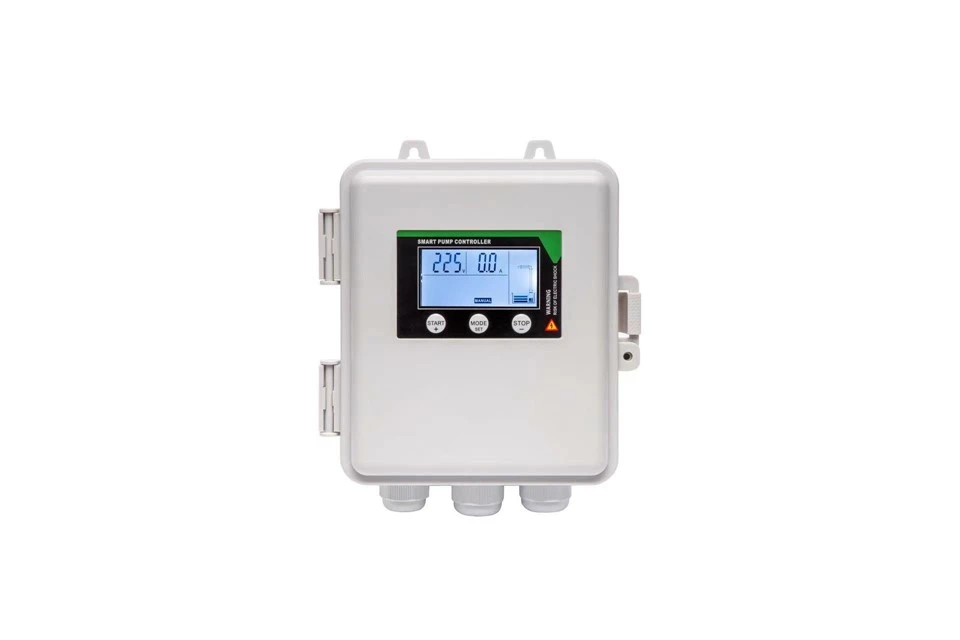
If the motor is exposed to moisture, humidity, or even water splashes in a wet area, you'll need a protector with proper waterproof or moisture - resistant features. For example, our Single Phase Motor Protector Box is designed to withstand different environmental conditions, with options for waterproof and dust - proof models.
Temperature is also a factor. Motors can generate a lot of heat, and the ambient temperature can add to it. You need a protector that can operate effectively in a wide temperature range. Some protectors might have built - in temperature compensation features to ensure accurate protection even in extreme temperatures.
Response Time
The response time of the motor protector is crucial. In case of an overload or short circuit, you want the protector to act fast. A slow - responding protector might not be able to prevent serious damage to the motor. Look for a protector with a quick response time that can detect and interrupt the power supply within milliseconds.
Ease of Installation and Use
Let's face it; no one wants to deal with a complicated installation process. A good 1 Phase Motor Protector should be easy to install. It should come with clear instructions and have simple wiring diagrams. Some protectors even have plug - and - play features, which make the installation a breeze.
The user interface of the protector should also be intuitive. You need to be able to set the parameters like current and voltage limits easily. If it's too complicated to operate, you might end up making mistakes during the configuration, which could affect the protection performance.
Cost - effectiveness
Cost is always a concern. You want to get the best value for your money. While it might be tempting to go for the cheapest option, you need to balance the cost with the quality and features of the protector. A high - quality protector might cost a bit more initially, but it can save you a lot of money in the long run by preventing motor damage and reducing downtime.
Compatibility with Existing Systems
If you already have an existing electrical system in place, you need to make sure that the 1 Phase Motor Protector is compatible with it. It should be able to integrate smoothly with the control panels and other components of your system. You don't want to have to make a lot of modifications to your existing setup just to use the protector.
Now that you know all these factors, you're in a better position to choose the right 1 Phase Motor Protector for your needs. If you're still unsure or have any questions, don't hesitate to reach out. We're here to help you make the best decision and ensure your single - phase motors are well - protected. Contact us for a consultation and start the procurement process to get the perfect protector for your motors.

References
- Electrical Engineering Handbook, various editions
- Manufacturer's guides and product manuals for single - phase motors and motor protectors