

What are the common problems with a 3 Phase Pump Control Panel?
Aug 15, 2025
As a supplier of 3 Phase Pump Control Panels, I've seen firsthand the diverse challenges that users face when dealing with these crucial components in various pumping systems. In this blog, I'll delve into the common problems associated with 3 Phase Pump Control Panels, offering insights into their causes and potential solutions.
Overheating Issues
One of the most prevalent problems with 3 Phase Pump Control Panels is overheating. This can occur due to several reasons. Firstly, poor ventilation within the control panel can trap heat, causing the internal temperature to rise significantly. If the control panel is installed in a confined space without proper airflow, the heat generated by the electrical components cannot dissipate effectively.
Another cause of overheating is overloading. When the control panel is required to handle a load that exceeds its rated capacity, the electrical components work harder, generating more heat. For example, if a 3 Phase Pump Control Panel is designed to handle a certain horsepower of pump but is connected to a more powerful pump, it will likely overheat.
To address overheating issues, proper ventilation is essential. Ensure that the control panel has adequate vents and is installed in a well - ventilated area. Additionally, it's crucial to size the control panel correctly according to the pump's requirements. Regularly check the panel for any signs of overheating, such as a hot exterior or a burning smell.
Electrical Faults
Electrical faults are another common problem in 3 Phase Pump Control Panels. Short circuits can occur when there is a breakdown in the insulation of the electrical wires. This can be caused by physical damage to the wires, such as cuts or abrasions, or by moisture ingress. Moisture can corrode the insulation, leading to a short circuit.
Open circuits are also a concern. An open circuit occurs when there is a break in the electrical path, preventing the flow of current. This can be due to loose connections, broken wires, or faulty components like relays or contactors.
To prevent electrical faults, regular inspections are necessary. Check the wiring for any signs of damage, and ensure that all connections are tight. Use high - quality insulation materials, and protect the control panel from moisture by installing it in a dry location or using waterproof enclosures.
Control Malfunctions
Control malfunctions can disrupt the normal operation of the pump. One common issue is incorrect settings. If the control panel is not configured properly, the pump may not start, stop, or operate at the desired speed. For example, if the pressure settings are too high or too low, the pump may not respond correctly to changes in the system pressure.
Faulty sensors can also cause control malfunctions. Sensors are used to monitor various parameters such as pressure, temperature, and flow rate. If a sensor fails, the control panel may receive incorrect information, leading to improper control of the pump.

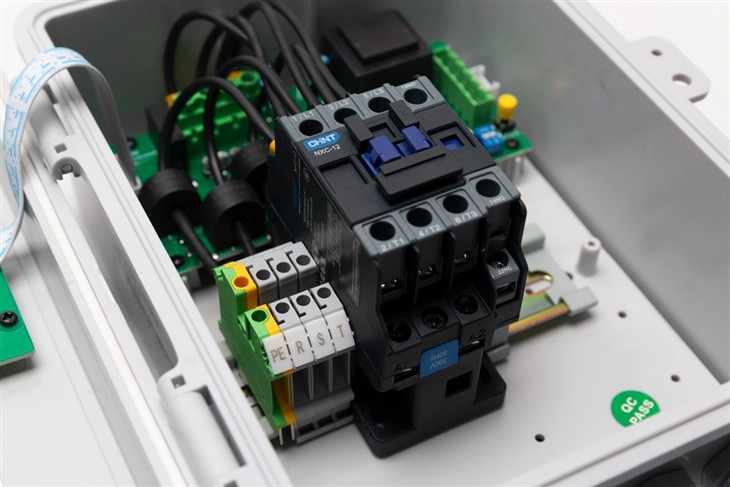
To address control malfunctions, it's important to double - check the settings during installation and make any necessary adjustments. Regularly calibrate the sensors to ensure their accuracy. If a sensor is found to be faulty, replace it immediately.
Power Supply Problems
A stable power supply is crucial for the proper operation of a 3 Phase Pump Control Panel. Voltage fluctuations can cause problems. Low voltage can result in the pump not starting or running at a reduced speed, while high voltage can damage the electrical components in the control panel.
Power outages can also be a significant issue. When the power goes out and then comes back on, the control panel may need to be reset to resume normal operation. In some cases, a power outage can cause the control panel to lose its settings.
To mitigate power supply problems, consider using voltage regulators to stabilize the voltage. Uninterruptible Power Supplies (UPS) can be installed to provide temporary power during outages, preventing the control panel from losing its settings and allowing the pump to continue operating for a short period.
Component Wear and Tear
Over time, the components in the 3 Phase Pump Control Panel will experience wear and tear. Relays and contactors, which are used to control the flow of electricity, can become worn out due to repeated switching. The contacts in these components can become pitted or burned, leading to poor electrical connection.
Capacitors are also prone to failure. Capacitors store and release electrical energy, and over time, their capacitance can decrease, affecting the performance of the control panel.
Regular maintenance is the key to addressing component wear and tear. Replace worn - out components as soon as they are identified. Keep a stock of common replacement parts to minimize downtime.
Grounding Issues
Proper grounding is essential for the safety and proper operation of a 3 Phase Pump Control Panel. A poor ground connection can lead to electrical shocks and can also cause interference in the control system. If the control panel is not grounded correctly, electrical currents may flow through unintended paths, potentially damaging the components.
To ensure proper grounding, use a high - quality grounding wire and connect it securely to the control panel and a proper grounding point. Regularly check the grounding connection for any signs of looseness or corrosion.
Compatibility Issues
When integrating a 3 Phase Pump Control Panel into an existing pumping system, compatibility issues can arise. The control panel may not be compatible with the pump's motor, sensors, or other components in the system. For example, the control panel may have a different communication protocol than the sensors, preventing them from communicating effectively.
Before purchasing a control panel, it's important to ensure that it is compatible with all the components in the system. Consult with the manufacturer or a technical expert if you have any doubts about compatibility.
In conclusion, 3 Phase Pump Control Panels are complex systems that can face a variety of problems. By being aware of these common issues and taking proactive measures to prevent and address them, users can ensure the reliable and efficient operation of their pumping systems.
If you are in the market for a high - quality 3 Phase Pump Control Panel, we have a wide range of products to meet your needs. Our 3 Phase Water Pump Controller, 3 Phase Control Panel for Submersible Pump, and Three Phase Submersible Pump Control Panel are designed with the latest technology and high - quality components to minimize the occurrence of these common problems.
If you have any questions or would like to discuss your specific requirements, please feel free to contact us for a detailed consultation. We look forward to working with you to find the perfect solution for your pumping needs.
References
- Electrical Installation Handbook, Schneider Electric
- Pump Handbook, Karassik et al.
- Control Systems Engineering, Norman S. Nise