

How to choose a single phase motor protector?
Jul 31, 2025
Hey there! As a supplier of Single Phase Motor Protectors, I've seen firsthand how crucial it is to pick the right one for your single-phase motors. In this blog, I'll share some tips on how to choose a single-phase motor protector that suits your needs.
Why You Need a Single Phase Motor Protector
First off, let's talk about why you even need a motor protector. Single-phase motors are used in a wide range of applications, from small household appliances to industrial equipment. These motors can face various issues like overcurrent, overvoltage, undervoltage, and phase loss. Without proper protection, these problems can lead to motor damage, reduced lifespan, and even safety hazards. A single-phase motor protector acts as a safeguard, preventing these issues and ensuring the smooth operation of your motor.
Key Factors to Consider When Choosing a Single Phase Motor Protector
1. Motor Rating
The most basic thing to consider is the motor's rating. You need to know the motor's power (in watts or horsepower), voltage, and current. The protector you choose should be able to handle the motor's rated current and voltage. If the protector's rating is too low, it may trip frequently, disrupting the motor's operation. On the other hand, if it's too high, it may not provide adequate protection. For example, if you have a 1 - horsepower single-phase motor operating at 120 volts, you'll need to find a protector that can handle the corresponding current draw of that motor. You can usually find the motor's rating on its nameplate.
2. Protection Functions
Different motor protectors offer different protection functions. The most common ones include:
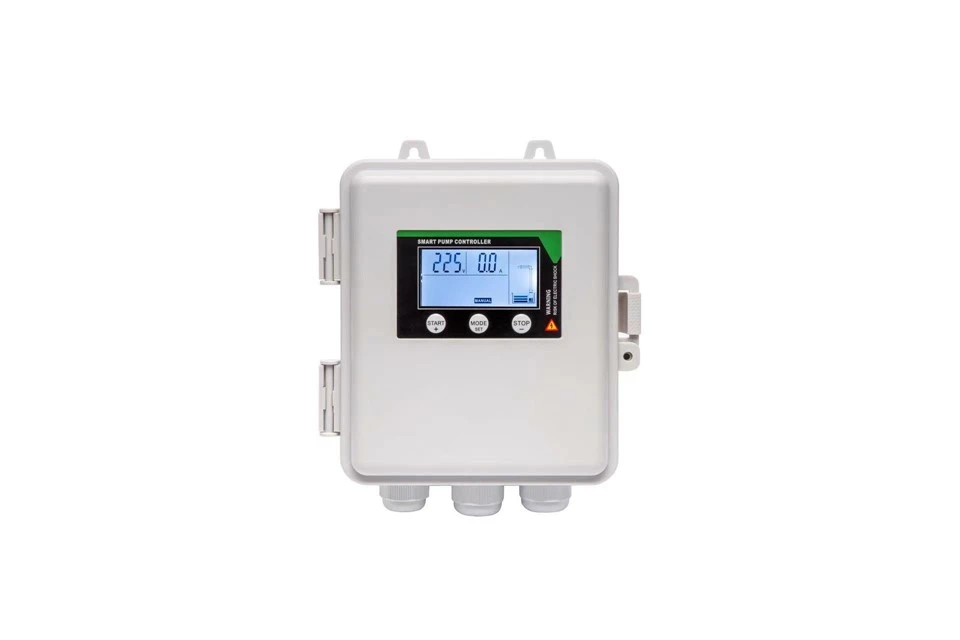

- Overcurrent Protection: This protects the motor from excessive current flow, which can be caused by things like a mechanical overload or a short - circuit. When the current exceeds a certain limit, the protector will trip and cut off the power to the motor.
- Overvoltage and Undervoltage Protection: Fluctuations in the power supply can damage the motor. Overvoltage can cause insulation breakdown, while undervoltage can lead to the motor drawing more current to maintain its speed, which can overheat the motor. A good protector will monitor the voltage and trip if it goes outside the acceptable range.
- Phase Loss Protection: In a single - phase system, a phase loss can occur due to a blown fuse or a loose connection. This can cause the motor to overheat and fail. A protector with phase loss protection will detect this and shut off the motor.
Some advanced protectors may also offer additional functions like thermal protection, which monitors the motor's temperature and shuts it down if it gets too hot. When choosing a protector, think about which protection functions are most important for your application.
3. Response Time
The response time of the motor protector is also crucial. It refers to how quickly the protector can detect a fault and trip to cut off the power. A fast response time is essential, especially in applications where a short delay can cause significant damage to the motor. For example, in high - speed motors, a slow - responding protector may not be able to prevent overheating or other damage in time.
4. Installation and Compatibility
Consider how easy it is to install the motor protector. Some protectors are designed for easy plug - and - play installation, while others may require more complex wiring. You also need to make sure that the protector is compatible with your motor and the electrical system. For instance, if you have a motor with a specific type of control circuit, the protector should be able to integrate with it without any issues.
5. Quality and Reliability
You don't want to buy a motor protector that breaks down easily. Look for a protector from a reputable manufacturer. Check customer reviews and ratings to get an idea of its quality and reliability. A high - quality protector may cost a bit more upfront, but it can save you money in the long run by preventing motor damage and reducing downtime.
Types of Single Phase Motor Protectors
1. Thermal Motor Protectors
These protectors use a thermal element to detect overheating in the motor. When the motor gets too hot, the thermal element expands and trips the protector. They are simple and cost - effective, but they may have a slower response time compared to other types.
2. Electronic Motor Protectors
Electronic protectors use electronic circuits to monitor the motor's current, voltage, and other parameters. They offer more accurate and faster protection compared to thermal protectors. They can also provide additional functions like phase loss detection and adjustable trip settings. However, they are usually more expensive.
3. Magnetic Motor Protectors
Magnetic protectors use a magnetic coil to detect overcurrent. When the current exceeds a certain limit, the magnetic field generated by the coil causes a switch to trip. They are reliable and have a fast response time, but they may not offer as many protection functions as electronic protectors.
Where to Find Single Phase Motor Protectors
If you're in the market for a single - phase motor protector, you can check out our 1 Phase Motor Protector page. We offer a wide range of high - quality motor protectors with different features and ratings to meet your specific needs. And if you're looking for a more enclosed and protected option, our Single Phase Motor Protector Box might be just what you need.
Making the Decision
Once you've considered all the factors mentioned above, it's time to make a decision. Don't rush into it. Take your time to compare different products and read the specifications carefully. If you're still not sure which protector is right for you, feel free to reach out to us. We have a team of experts who can help you choose the best single - phase motor protector for your application.
Conclusion
Choosing the right single - phase motor protector is essential for the safety and longevity of your motor. By considering factors like motor rating, protection functions, response time, installation, and quality, you can make an informed decision. Whether you need a simple thermal protector or a more advanced electronic one, we've got you covered. So, if you're interested in purchasing a single - phase motor protector, don't hesitate to contact us for more information and to start the procurement process. We're here to help you keep your motors running smoothly.
References
- General knowledge of single - phase motor operation and protection from industry experience.
- Technical documentation from motor and motor protector manufacturers.