

How to adjust a 1 Phase Motor Protector for a motor with a high starting torque?
Dec 04, 2025
Hey there! As a supplier of 1 Phase Motor Protector, I often get asked about how to adjust a 1 phase motor protector for a motor with a high starting torque. It's a crucial topic, especially for those dealing with motors that need that extra oomph to get going. So, let's dive right in and break it down step by step.
First off, let's understand why a motor with a high starting torque needs special attention when it comes to the motor protector. Motors with high starting torque draw a significantly larger amount of current during the startup phase compared to normal motors. This surge in current can be misinterpreted by the motor protector as an overload, leading to unnecessary tripping. And that's a headache no one needs, right?
The first step in adjusting the 1 phase motor protector is to determine the motor's full - load current (FLC). You can usually find this information on the motor's nameplate. The nameplate is like the motor's ID card, giving you all the vital stats. Once you have the FLC, you need to consider the starting current of the motor. High - torque motors can have a starting current that is 5 to 7 times the FLC.
Now, most 1 phase motor protectors have adjustable settings for current and time. The current setting is pretty straightforward. You want to set the current trip level of the protector higher than the normal running current but lower than the maximum allowable current of the motor. A good rule of thumb is to set it around 1.2 to 1.5 times the FLC. This way, the protector won't trip during normal operation but will kick in if there's a real overload.
Let's talk about the time setting. The time setting determines how long the motor can draw a high current before the protector trips. For motors with high starting torque, you'll want to increase the time delay. This gives the motor enough time to get up to speed during startup without the protector shutting it down prematurely. You can start by setting the time delay to a relatively long value, say 10 - 15 seconds, and then fine - tune it based on the motor's actual performance.
Another important aspect is the ambient temperature. Motors generate heat, and so does the motor protector. If the ambient temperature is high, the motor and the protector will heat up faster. In such cases, you may need to adjust the current setting downwards slightly. This is because the motor's insulation and the components of the protector can be damaged more easily in high - temperature environments.
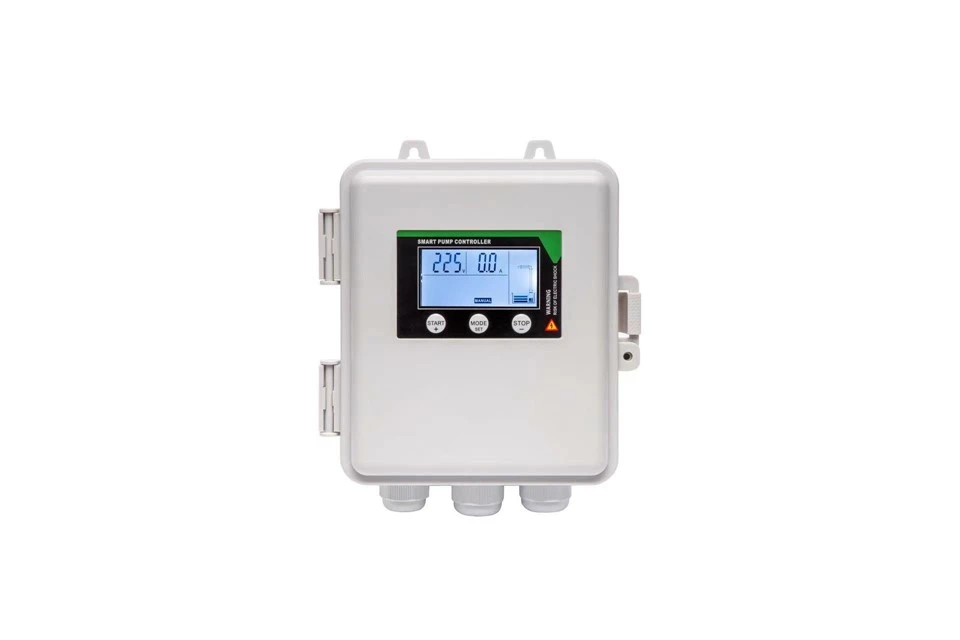
When you're adjusting the Single Phase Motor Protector Box, make sure to follow the manufacturer's instructions carefully. Different models may have slightly different adjustment procedures. Some protectors have digital displays and buttons for easy adjustment, while others may require you to use a screwdriver to turn adjustment screws.
It's also a good idea to test the motor and the protector after making the adjustments. Start the motor and monitor the current draw and the operation of the protector. If the motor starts smoothly and the protector doesn't trip during startup, you're on the right track. If it trips, you may need to go back and adjust the settings again.

Now, let's talk about some common mistakes to avoid. One of the biggest mistakes is setting the current trip level too low. This will cause the protector to trip frequently, even during normal startup. On the other hand, setting it too high can be dangerous as it won't protect the motor in case of a real overload. Another mistake is not considering the motor's duty cycle. If the motor is used for intermittent or continuous operation, the adjustment settings may need to be different.
In addition to the basic current and time settings, some advanced 1 phase motor protectors also have features like phase loss protection and over - voltage/under - voltage protection. These features can add an extra layer of security for your motor. Make sure to enable and adjust these settings according to your motor's requirements.
Phase loss protection is crucial because if one of the phases is lost in a single - phase system, it can cause the motor to overheat and eventually fail. The protector should be set to detect a significant drop in voltage or current in one of the phases and trip the motor. Over - voltage and under - voltage protection can prevent damage to the motor caused by abnormal voltage levels in the power supply.
As a supplier, I've seen firsthand how proper adjustment of the 1 phase motor protector can extend the life of the motor and save a lot of money in the long run. A well - adjusted protector can prevent costly breakdowns and repairs, and keep your motor running smoothly.
If you're still having trouble adjusting your 1 phase motor protector or if you're looking for a high - quality protector for your high - torque motor, don't hesitate to reach out. We have a wide range of 1 Phase Motor Protector products that are designed to meet the needs of different motors. Our team of experts can also provide you with personalized advice and support to ensure that you get the most out of your motor and protector.
Whether you're a small business owner, an industrial operator, or a DIY enthusiast, we're here to help. Contact us today to start a conversation about your motor protection needs and let's work together to find the best solution for you.
References
- Electrical Motor Handbook
- Single - Phase Motor Protection Guidelines by Industry Standards