

Can a single phase motor protector be used in a soft - starter system?
Dec 11, 2025
As a supplier of Single Phase Motor Protectors, I often encounter questions from customers about the compatibility and applicability of our products in different motor control systems. One common query is whether a single phase motor protector can be used in a soft - starter system. In this blog, I will explore this topic in detail, providing a comprehensive analysis based on scientific and practical perspectives.
Understanding Single Phase Motor Protectors
Single phase motor protectors are essential devices designed to safeguard single phase motors from various electrical and mechanical issues. These motors are widely used in a diverse range of applications, from household appliances to small industrial equipment. The primary functions of a single phase motor protector include over - current protection, over - temperature protection, and under - voltage protection.
Over - current situations can occur due to a variety of reasons, such as mechanical overload, short circuits, or a malfunction within the motor itself. When the current exceeds a predetermined limit, the protector will trip and cut off the power supply to the motor, preventing damage to the motor windings. Over - temperature protection is crucial as motors generate heat during operation. If the temperature rises beyond a safe level, it can cause insulation breakdown and ultimately lead to motor failure. The protector continuously monitors the temperature and disconnects the motor if necessary. Under - voltage protection ensures that the motor operates within a suitable voltage range. If the voltage drops too low, the motor may not be able to start properly or may draw excessive current, which can be harmful.
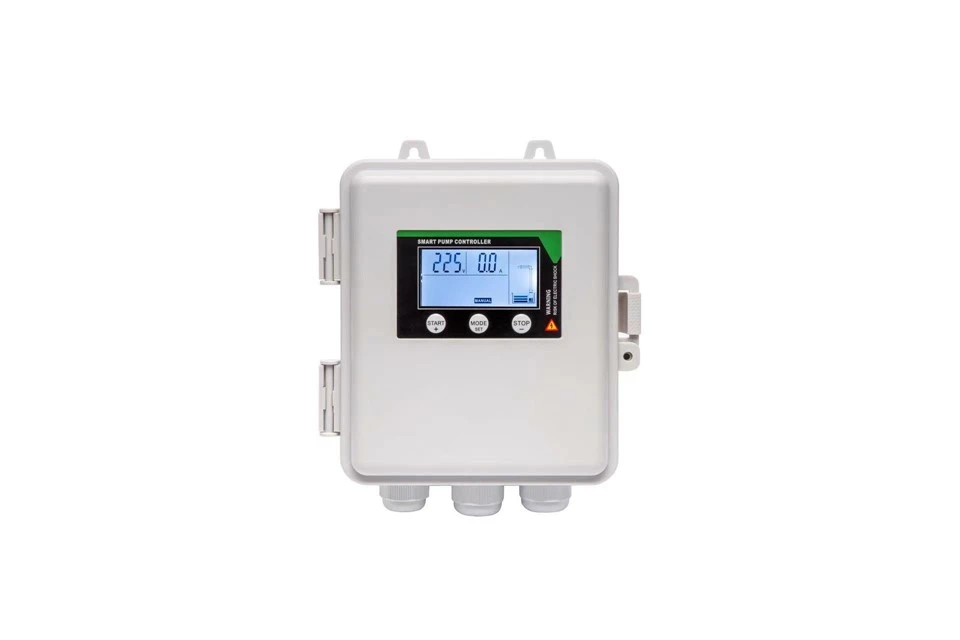

For those interested in our 1 Phase Motor Protector, it offers reliable protection with advanced sensing and control technologies. Our Single Phase Motor Protector Box provides a convenient and integrated solution, housing all the necessary components for effective motor protection.
Soft - Starter Systems: An Overview
Soft - starter systems are used to control the starting and stopping of electric motors. Unlike direct - on - line (DOL) starters, which apply full voltage to the motor immediately, soft - starters gradually increase the voltage and current supplied to the motor during startup. This results in a smoother acceleration, reducing mechanical stress on the motor and the connected equipment. Soft - starters also offer controlled deceleration during motor shutdown, which can prevent water hammer in pump systems and reduce wear and tear on conveyor belts and other mechanical components.
Soft - starters typically use thyristors or silicon - controlled rectifiers (SCRs) to regulate the voltage. By adjusting the firing angle of the SCRs, the voltage applied to the motor can be varied. This allows for a customized starting and stopping profile, which can be optimized for different applications and motor requirements.
Compatibility of Single Phase Motor Protectors with Soft - Starter Systems
The question of whether a single phase motor protector can be used in a soft - starter system depends on several factors.
Electrical Compatibility
One of the primary concerns is the electrical compatibility between the motor protector and the soft - starter. Soft - starters can introduce harmonics and voltage fluctuations during the starting and stopping processes. These electrical disturbances may affect the operation of the motor protector. However, modern single phase motor protectors are designed with advanced filtering and sensing technologies to withstand such disturbances. They can accurately detect the actual current and voltage values of the motor, even in the presence of harmonics. Our motor protectors are equipped with high - quality sensors and signal processing circuits, which ensure reliable operation in conjunction with soft - starter systems.
Control Logic Compatibility
The control logic of the motor protector and the soft - starter also needs to be compatible. In some cases, the soft - starter may have its own built - in protection functions, such as over - current and over - temperature protection. However, these functions may not provide the same level of detailed and reliable protection as a dedicated single phase motor protector. By using a motor protector in combination with a soft - starter, the protection level can be enhanced. The motor protector can act as an additional safety layer, independent of the soft - starter's internal protection. It can continuously monitor the motor parameters and take appropriate action in case of any abnormal conditions, even if the soft - starter's protection system fails.
Installation and Configuration
Proper installation and configuration are crucial for the successful integration of a single phase motor protector into a soft - starter system. The motor protector should be connected in series with the motor, and its operating parameters should be set according to the motor's specifications and the requirements of the application. The soft - starter should also be configured correctly to ensure that it works in harmony with the motor protector. For example, the starting and stopping times of the soft - starter should be coordinated with the response time of the motor protector to avoid false tripping.
Advantages of Using a Single Phase Motor Protector in a Soft - Starter System
There are several significant advantages to using a single phase motor protector in a soft - starter system.
Enhanced Protection
As mentioned earlier, a single phase motor protector provides additional protection layers to the motor. It can detect and respond to a wider range of abnormal conditions compared to the soft - starter's built - in protection. This helps to extend the lifespan of the motor and reduce the risk of costly breakdowns.
Improved System Reliability
By having a separate motor protector, the overall reliability of the system is improved. In the event of a soft - starter failure, the motor protector can still protect the motor from damage. This redundancy ensures that the motor can continue to operate safely or be shut down in a controlled manner.
Cost - Effectiveness
Investing in a single phase motor protector is a cost - effective solution. The cost of replacing a damaged motor is much higher than the cost of a motor protector. By preventing motor failures, the motor protector can save significant maintenance and replacement costs in the long run.
Considerations for Using a Single Phase Motor Protector in a Soft - Starter System
While there are many benefits to using a single phase motor protector in a soft - starter system, there are also some considerations.
Initial Investment
There is an additional cost associated with purchasing a single phase motor protector. However, as mentioned above, the long - term savings in maintenance and replacement costs often outweigh the initial investment.
Technical Expertise
Proper installation and configuration of the motor protector and the soft - starter require some technical expertise. It is important to ensure that the installation is carried out by a qualified electrician or technician to avoid any potential problems.
Conclusion
In conclusion, a single phase motor protector can indeed be used in a soft - starter system. With proper electrical and control logic compatibility, along with correct installation and configuration, the combination of a motor protector and a soft - starter can provide enhanced protection, improved system reliability, and cost - effectiveness.
As a supplier of Single Phase Motor Protectors, we are committed to providing high - quality products and professional technical support. If you are considering using a single phase motor protector in your soft - starter system or have any other questions about our products, please feel free to contact us for further discussion and procurement negotiation. We are here to help you find the best motor protection solution for your specific needs.
References
- Chapman, S. J. (2012). Electric Machinery Fundamentals. McGraw - Hill.
- Fitzgerald, A. E., Kingsley, C., & Umans, S. D. (2003). Electric Machinery. McGraw - Hill.