

Can a 1 Phase Motor Protector work in a dusty environment?
Dec 01, 2025
In the industrial and electrical sectors, the reliable operation of single - phase motors is crucial. As a supplier of 1 Phase Motor Protector, I often encounter various questions from customers. One of the frequently asked questions is whether a 1 Phase Motor Protector can work effectively in a dusty environment. This blog aims to delve into this issue, exploring the challenges, solutions, and the performance of our products in such conditions.
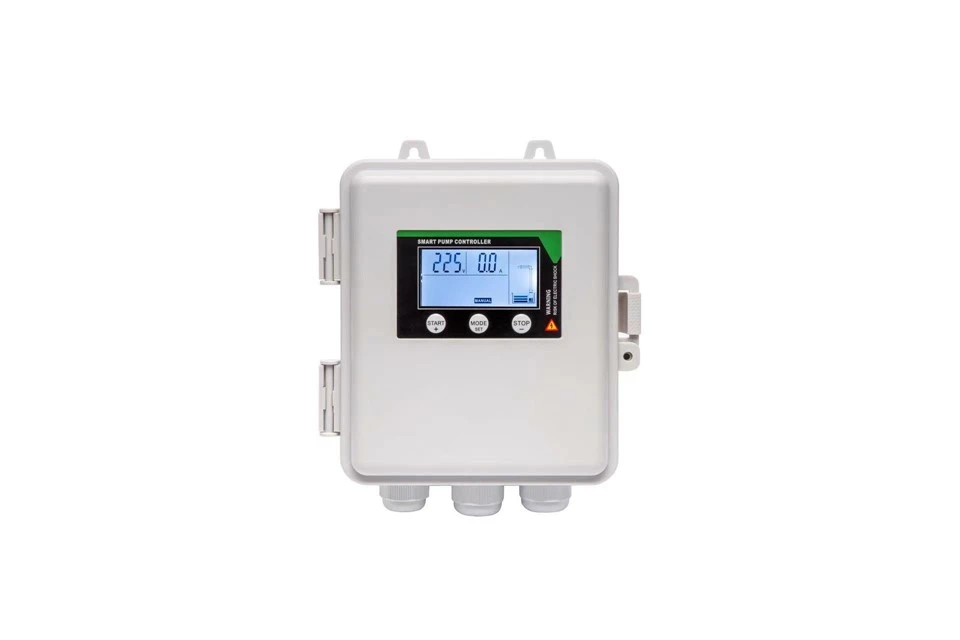

The Challenges of Dusty Environments for 1 Phase Motor Protectors
Dust is a common environmental factor in many industrial settings, such as mining, construction, and some manufacturing plants. When it comes to 1 Phase Motor Protectors, dust can pose several challenges.
Electrical Insulation Issues
Dust can accumulate on the internal components of the motor protector. Over time, this dust layer can absorb moisture from the air, which may lead to a decrease in electrical insulation resistance. A lower insulation resistance can cause leakage currents, which not only waste energy but also pose a risk of electrical malfunctions. For example, if the insulation between the electrical contacts in the protector is compromised, it may lead to short - circuits or incorrect tripping of the protector.
Heat Dissipation Problems
1 Phase Motor Protectors generate heat during normal operation. Efficient heat dissipation is essential to maintain the proper functioning of the components. However, dust can act as an insulator, covering the heat - dissipating surfaces such as heat sinks. When the heat cannot be effectively dissipated, the internal temperature of the protector will rise. High temperatures can accelerate the aging of electronic components, reduce their performance, and even cause permanent damage. For instance, semiconductor devices are very sensitive to temperature, and an over - heated environment can lead to a significant decrease in their lifespan.
Mechanical Component Wear
In some motor protectors, there are mechanical components such as relays and switches. Dust particles can enter these mechanical parts and cause increased friction and wear. This can lead to problems such as sticking of the relay contacts or inaccurate operation of the switches. As a result, the protector may fail to perform its protective function correctly when needed.
Our Solutions to Overcome Dust - Related Challenges
As a professional supplier of 1 Phase Motor Protector, we have developed several solutions to ensure the reliable operation of our products in dusty environments.
Sealed Design
Our Single Phase Motor Protector Box is designed with a high - quality sealing structure. The box is made of durable materials and is equipped with gaskets to prevent dust from entering the internal components. This sealed design effectively protects the electrical and mechanical parts inside the protector from dust contamination. For example, we use rubber gaskets with excellent sealing performance around the edges of the box, which can withstand different environmental conditions and maintain a good seal over a long period.
Dust - Resistant Coating
We apply a special dust - resistant coating on some of the key components of the motor protector. This coating can prevent dust from adhering to the surface of the components. It has self - cleaning properties to some extent, allowing dust to be easily removed by air flow or vibration. For instance, the printed circuit boards in our protectors are coated with a thin layer of dust - resistant material, which not only protects the circuits from dust but also enhances their corrosion resistance.
Enhanced Heat Dissipation Design
To address the heat dissipation issue in dusty environments, we have improved the heat dissipation structure of our products. Our motor protectors are equipped with larger and more efficient heat sinks. In addition, we have designed ventilation channels in the Single Phase Motor Protector Box to ensure a continuous flow of air. These ventilation channels are designed in such a way that they can prevent dust from entering while still allowing for effective heat exchange. For example, the ventilation holes are covered with fine - mesh filters that can block dust particles while allowing air to pass through.
Performance Testing in Dusty Environments
We have conducted extensive performance testing of our 1 Phase Motor Protector in simulated dusty environments. In these tests, we exposed the protectors to different levels of dust concentration and monitored their performance over a long period.
Electrical Performance
During the testing, we measured the electrical parameters such as insulation resistance, leakage current, and tripping accuracy. The results showed that our protectors maintained stable electrical performance even in high - dust environments. The insulation resistance remained within the acceptable range, and there were no abnormal leakage currents or incorrect tripping events. This indicates that our sealed design and dust - resistant coating effectively protected the electrical components from dust - related damage.
Temperature Monitoring
We also monitored the internal temperature of the protectors. Thanks to our enhanced heat dissipation design, the temperature rise was well - controlled. Even after long - term operation in a dusty environment, the temperature of the key components did not exceed the safe operating range. This ensures the long - term reliability and stability of the motor protector.
Mechanical Component Operation
The operation of the mechanical components such as relays and switches was also closely monitored. We found that there was no significant increase in friction or wear due to dust. The relays operated smoothly, and the switches provided accurate signals, indicating that our design effectively protected the mechanical parts from dust - induced damage.
Conclusion and Call to Action
In conclusion, our 1 Phase Motor Protector is well - designed to work effectively in dusty environments. Through our sealed design, dust - resistant coating, and enhanced heat dissipation structure, we have overcome the main challenges posed by dust. Our products have been proven to maintain stable performance in extensive testing.
If you are looking for a reliable 1 Phase Motor Protector for your equipment operating in dusty environments, we are here to provide you with high - quality solutions. We are committed to ensuring the safety and efficiency of your single - phase motors. Contact us for more information and to start a procurement negotiation. We look forward to working with you to meet your specific needs.
References
- Electrical Engineering Handbook, Third Edition, CRC Press
- Industrial Motor Protection Standards and Guidelines, IEEE Publications
- Research on the Impact of Dust on Electrical Equipment, Journal of Electrical Engineering Research